Grow Younger, Live Longer

Could a small body adjustment tip the scales toward a longer, healthier life? A recent study brings us closer to that possibility.
The protagonist of the groundbreaking research published in the prestigious Science journal on June 8, 2023, is a substance called Taurine.1 Parminder Singh et al. Taurine deficiency as a driver of aging. Science380,eabn9257(2023).DOI:10.1126/science.abn9257 Source Taurine is an abundant amino acid found in our bodies. This semi-essential micronutrient, which you might be surprised to know is also commonly found in energy drinks, is a crucial player in our aging process.
The researchers discovered that the taurine levels in our bloodstream naturally decrease as we age, a pattern they noticed in humans, mice, and monkeys. This led them to ponder, “What would happen if we reversed this decline?”
The levels of taurine in our bloodstream naturally decrease as we age.
With that question in mind, the researchers began supplementing the diet of middle-aged mice with taurine. The results were nothing short of remarkable. Both female and male mice that received taurine supplementation lived about 10 to 12% longer, with the expected life span at 28 months increasing by 18 to 25%.
But, longevity alone isn’t the full story. It’s not just about adding more years to our life, but also about adding more life to our years. This concept is often referred to as “healthspan,” which denotes the period of life we spend in good health, free from major diseases or disabilities. The mice with the taurine-boosted diet didn’t just live longer; they had an improved health span too, with notable enhancements in the functioning of their bone, muscle, pancreas, brain, fat, gut, and immune system.
Intriguingly, these effects were not just confined to mice. Similar health span improvements were observed in monkeys. Even multicellular worms thrived with taurine supplementation, enjoying increased life spans.
To decipher how taurine was exerting these age-defying effects, the scientists delved into the cellular level. They found that taurine tackled many of the key contributors to aging. It reduced cellular senescence (a state of cell dormancy linked to aging), protected against telomerase deficiency (the enzyme vital for cell replication and longevity), suppressed mitochondrial dysfunction (which leads to cellular energy depletion), decreased DNA damage, and attenuated inflammation, often referred to as “inflammaging.”
In humans, lower taurine levels correlate with age-related conditions like abdominal obesity, hypertension, inflammation, and the prevalence of type 2 diabetes. Interestingly, a bout of exercise was shown to naturally increase the concentrations of taurine and its metabolites in the blood, hinting at a part of the reason why physical activity is renowned for its anti-aging effects.
Despite these fascinating findings, it’s worth noting that the secrets of taurine are only beginning to be unlocked. While the positive effects of taurine supplementation on the health span and lifespan of mice, worms, and monkeys have been observed, it remains undetermined if the same benefits will manifest in humans. The next step in this scientific journey is to conduct long-term, controlled taurine supplementation trials in humans to evaluate the impacts on health span and lifespan.
We believe this new research is quite exciting, but it’s important to remember that the effect of taurine on human aging still needs more study. We wouldn’t advise you to rush out and buy taurine supplements just yet. Instead, we think it might be a good idea to eat more foods that are naturally rich in taurine. These foods are usually good for you anyway, packed with other essential nutrients, so including more of them in your diet could be beneficial overall.
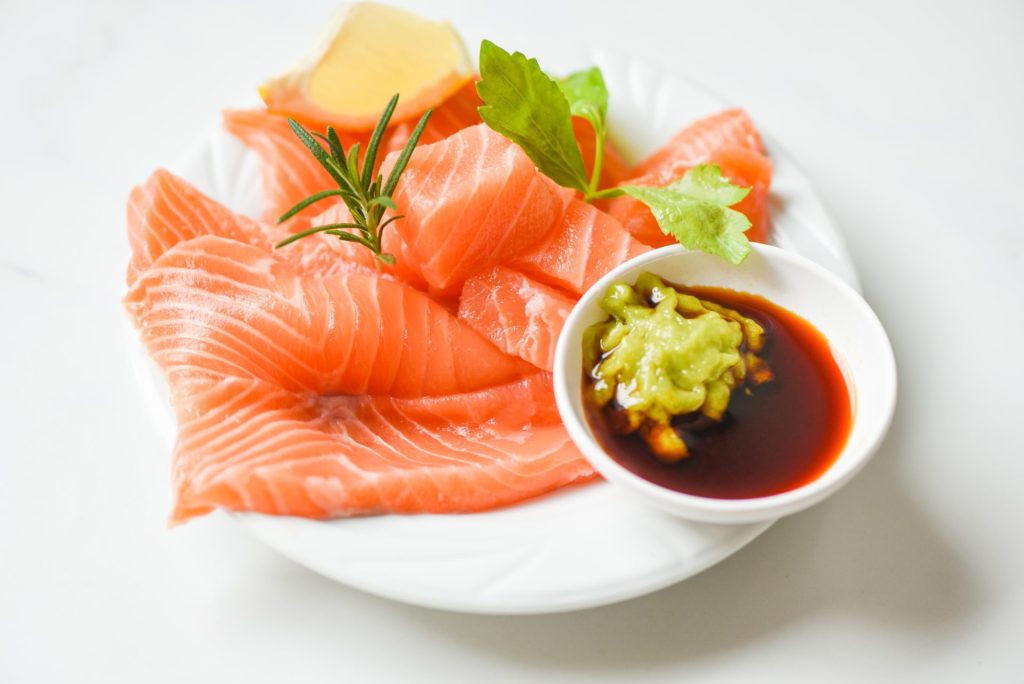
Taurine is found naturally in various foods, especially in animal-based products. Here are some examples of taurine-rich foods:
- Seafood. Shellfish, especially scallops and mussels, and cold-water fish like mackerel, salmon, and sardines are great sources of taurine.
- Meat. Chicken, beef, and lamb are good sources of taurine, particularly dark meat and organ meats like the heart and liver.
- Dairy. Milk and other dairy products, like cheese and yogurt, can also provide some taurine.
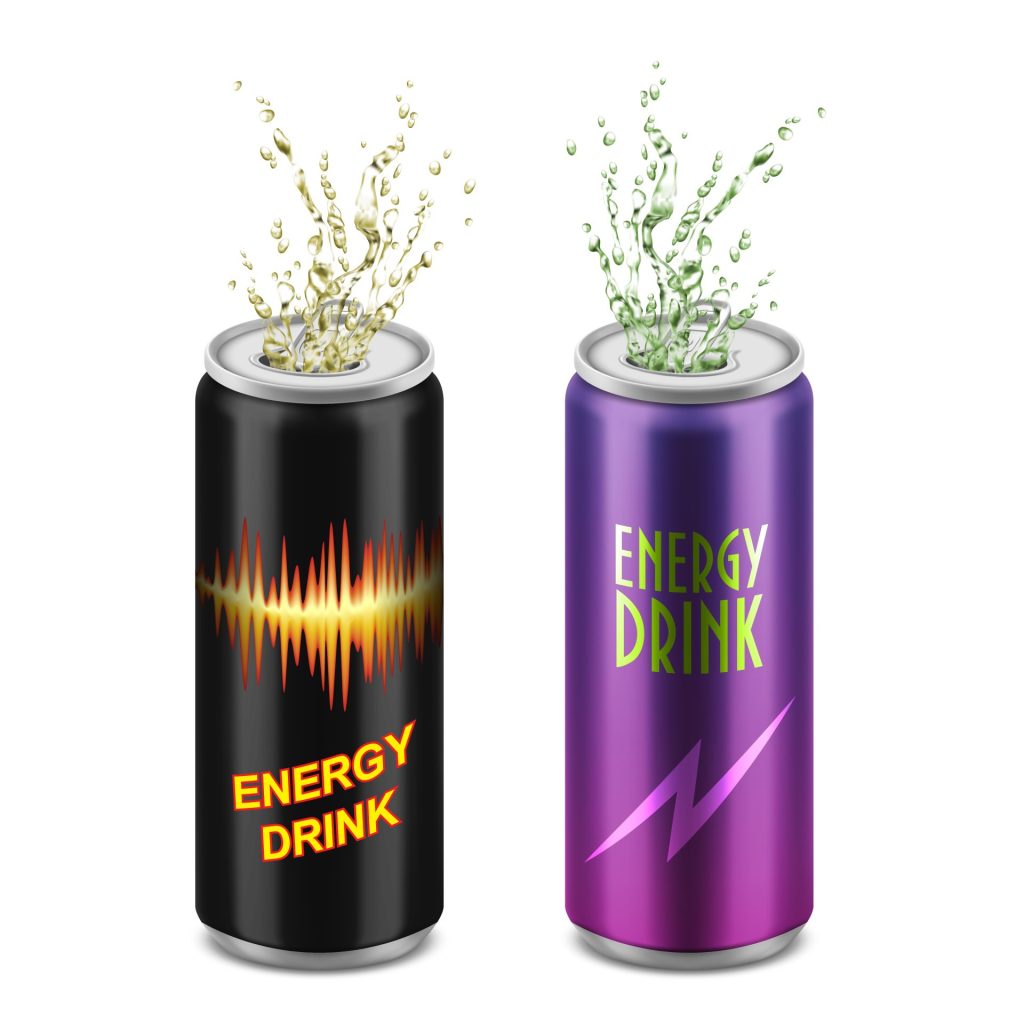
- Energy drinks. While energy drinks do contain taurine, it’s important to drink them sparingly, if at all, due to their high sugar and caffeine content.
In a world where the quest for the “Fountain of Youth” continues to bewitch us, could taurine supplementation be one of the keys to unlock a longer and healthier life? Only time and more research will tell. Stay tuned!
In conclusion, as we age, we have less of a nutrient called taurine in our bodies. Boosting our taurine levels might be a new way to help us age more gracefully. Taurine is safe for people to take and can be easily added to our diet. It has a big impact on many aspects of aging, so it’s worth investigating more. Scientists plan to run studies to see if taurine supplements can help people live healthier lives as they age.