Grow Younger, Live Longer

In a nutshell
- The quest for a longer, healthier life often leads us to examine our dietary habits, particularly focusing on foods for longevity.
- The conventional Western diet that is rich in animal protein, processed foods, and refined sugars is associated with chronic health conditions such as type 2 diabetes and cardiovascular disease.
- Some modifications to the diet can add a decade of healthy life and significantly reduce the risk of different chronic conditions.
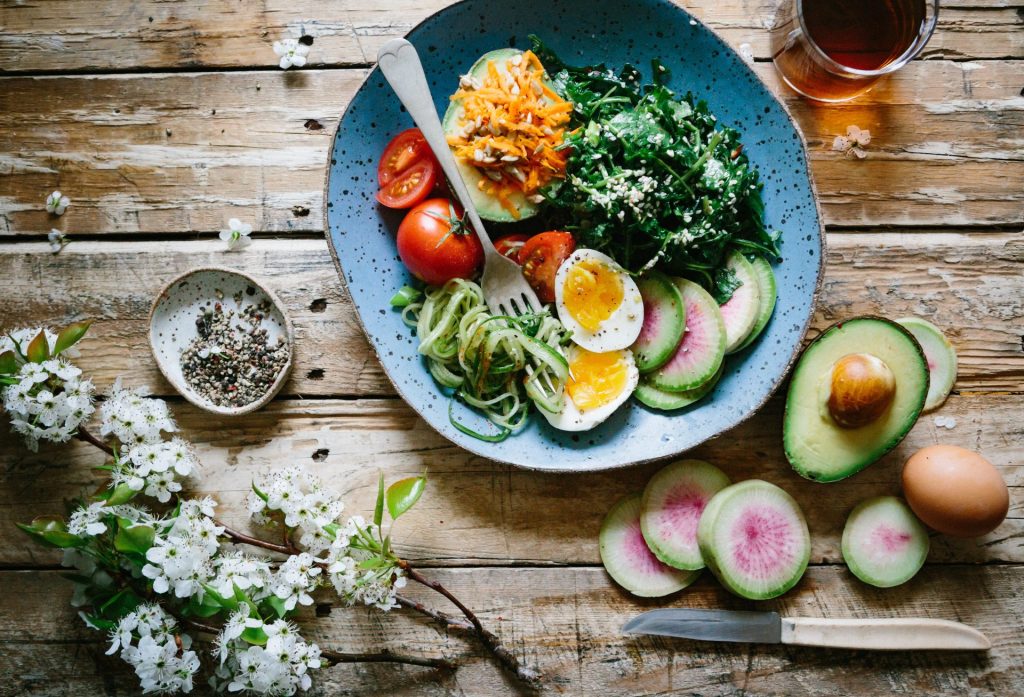
- A healthy diet is usually based on a Mediterranean diet with a lot of legumes, nuts, whole grains, mushrooms, vegetables, olive oil, fish, and seafood.
As we all want to live longer and healthier lives, there is growing interest in finding ways to achieve this. Nutrition plays a key role in this pursuit, as what we eat can affect our health and lifespan. Scientists have studied many different foods and diets to see what might help us live longer and which ones might harm us.
We explore the latest research on nutrition and longevity, discussing the foods that are most important to include in our diets and those we should avoid, as well as explaining why certain foods are beneficial for our health and lifespan. So let’s discover the top foods for longevity that can help promote a healthier and longer life.
Foods for Longevity
It’s striking, but the results of the recent study demonstrated that adopting a healthy diet from early years can add up to 10 years of healthy life.1 Fadnes LT, Økland JM, Haaland ØA, Johansson KA. Estimating impact of food choices on life expectancy: A modeling study. PLoS Med. 2022 Feb 8;19(2):e1003889. PubMed Source The healthy diet usually consists of plant-based foods, such as fruits, vegetables, legumes, whole grains, and nuts, and fish-derived fats and protein. To learn more about the basic principles of a longevity diet, please see the 6 Basic Principles of Longevity Diet.
Understanding and integrating foods for longevity into your meals can be a game-changer in your journey toward optimal health. While certain foods are known for their health benefits and ability to promote longevity, it’s important to keep in mind that even healthy options can be prepared and served in ways that aren’t so good for us. To help illustrate this point, we’ve shown some examples of both healthy and unhealthy ways to consume some of these foods.
Vegetables
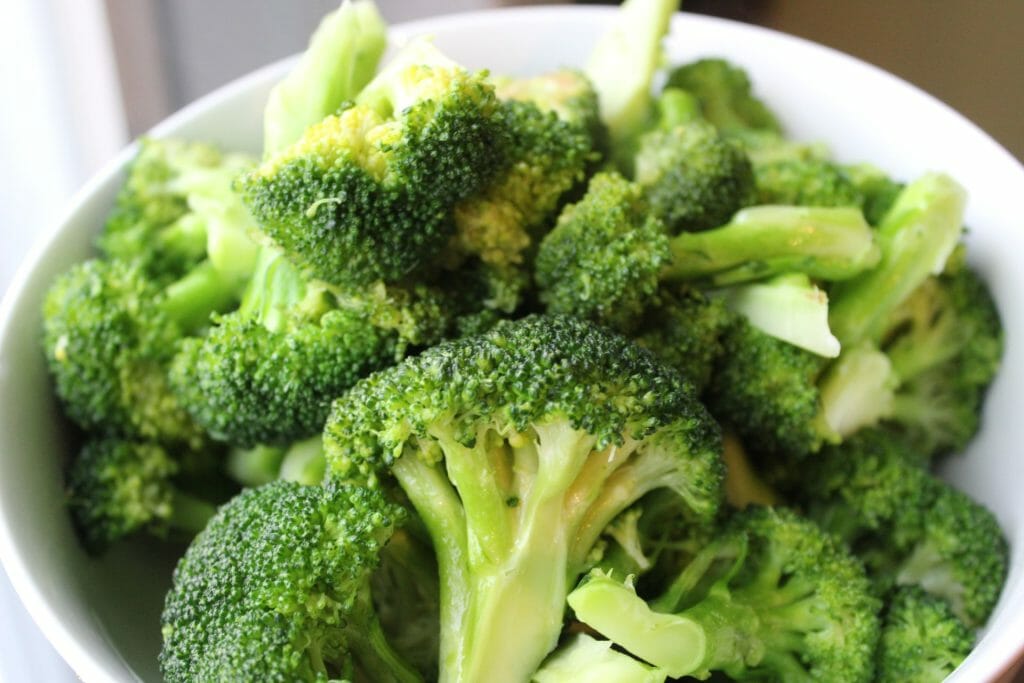
Vegetables are rich in vitamins, minerals, fiber, and antioxidants that help protect against age-related diseases. Dark leafy greens, cruciferous vegetables like broccoli and cauliflower, and colorful vegetables like bell peppers and carrots are particularly beneficial.
Indoles, which are chemical compounds found in cruciferous vegetables, play a significant role in preventing cancer development by exerting an anticancerous effect and promoting apoptosis.2 Higdon JV, Delage B, Williams DE, Dashwood RH. Cruciferous vegetables and human cancer risk: epidemiologic evidence and mechanistic basis. Pharmacol Res. 2007 Mar;55(3):224-36. PubMed Source
Green leafy vegetables, such as kale and spinach, are also a good source of phytochemicals such as carotenoids and flavonoids, which have been shown to have anti-aging properties and protect against age-related diseases such as cognitive decline and cardiovascular disease.3Meccariello R, D’Angelo S. Impact of Polyphenolic-Food on Longevity: An Elixir of Life. An Overview. Antioxidants (Basel). 2021 Mar 24;10(4):507. PubMed Source
- Healthy examples: Steamed, roasted, stir-fried, sauteed, or boiled brussels sprouts, kale, and spinach
- Unhealthy examples: French fries, fried zucchini, creamed spinach, broccoli casserole with a lot of cheese and butter
Fruits
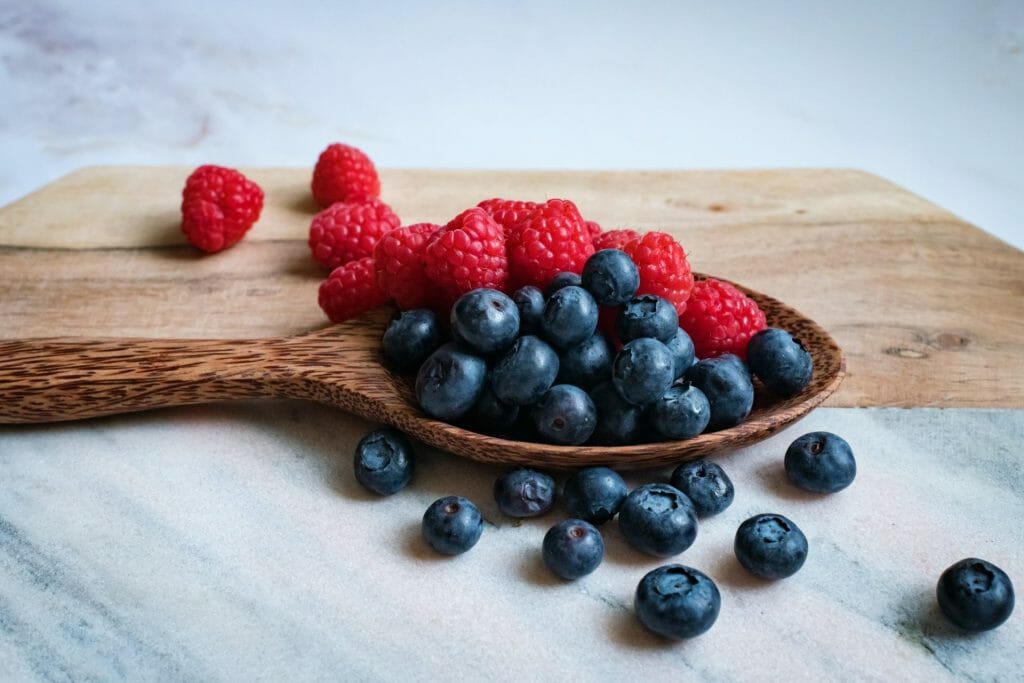
Fruits are also high in vitamins, minerals, fiber, and antioxidants. Among fruits, blueberries, apples, citrus fruits, and pomegranates stand out for their longevity benefits.
Berries are high in antioxidants, which can help protect against cellular damage and reduce the risk of chronic diseases such as cancer, heart disease, and Alzheimer’s disease. Recently, blueberries received a lot of attention and have often been called superfoods. This is because polyphenols in blueberries have been shown to extend the lifespan across different species. 4Wilson MA, Shukitt-Hale B, Kalt W, Ingram DK, Joseph JA, Wolkow CA. Blueberry polyphenols increase lifespan and thermotolerance in Caenorhabditis elegans. Aging Cell. 2006 Feb;5(1):59-68. PubMed Source 5 Peng C, Zuo Y, Kwan KM, Liang Y, Ma KY, Chan HY, Huang Y, Yu H, Chen ZY. Blueberry extract prolongs lifespan of Drosophila melanogaster. Exp Gerontol. 2012 Feb;47(2):170-8. Moreover, studies have demonstrated that blueberries can improve gut health, reduce inflammation and oxidative stress, and enhance cognitive function in humans. 6 Kalt W, Cassidy A, Howard LR, Krikorian R, Stull AJ, Tremblay F, Zamora-Ros R. Recent Research on the Health Benefits of Blueberries and Their Anthocyanins. Adv Nutr. 2020 Mar 1;11(2):224-236. PubMed Source
Citrus fruits such as oranges, grapefruits, lemons, and limes are high in vitamin C, which is important for immune function, wound healing, and collagen production.7 Carr AC, Maggini S. Vitamin C and Immune Function. Nutrients. 2017 Nov 3;9(11):1211. PubMed Source Vitamin C also acts as an antioxidant and can help protect against cellular damage during aging.
Apples are high in fiber, which can help regulate blood sugar levels and promote feelings of fullness. Apples also contain polyphenols, which have been shown to have anti-inflammatory and antioxidant properties. Moreover, apple extract has been shown to extend the lifespan in animal models.8 Vayndorf EM, Lee SS, Liu RH. Whole apple extracts increase lifespan, healthspan and resistance to stress in Caenorhabditis elegans. J Funct Foods. 2013 Jul;5(3):1236-1243. PubMed Source
Pomegranate is another superfood with high content of antioxidants, polyphenols, and other bioactive compounds that have been associated with various health benefits. Some studies suggest that pomegranate consumption may help reduce inflammation, improve cardiovascular health, and prevent age-related diseases such as Alzheimer’s and cancer.9 Zheng J, Heber D, Wang M, Gao C, Heymsfield SB, Martin RJ, Greenway FL, Finley JW, Burton JH, Johnson WD, Enright FM, Keenan MJ, Li Z. Pomegranate juice and extract extended lifespan and reduced intestinal fat deposition in Caenorhabditis elegans. Int J Vitam Nutr Res. 2017 May;87(3-4):149-158. PubMed Source
- Healthy: Fresh or frozen blueberries, apples, strawberries, oranges, etc.
- Unhealthy: Fruit juice with added sugar, canned fruit in syrup, fruit snacks with added sugar
Legumes
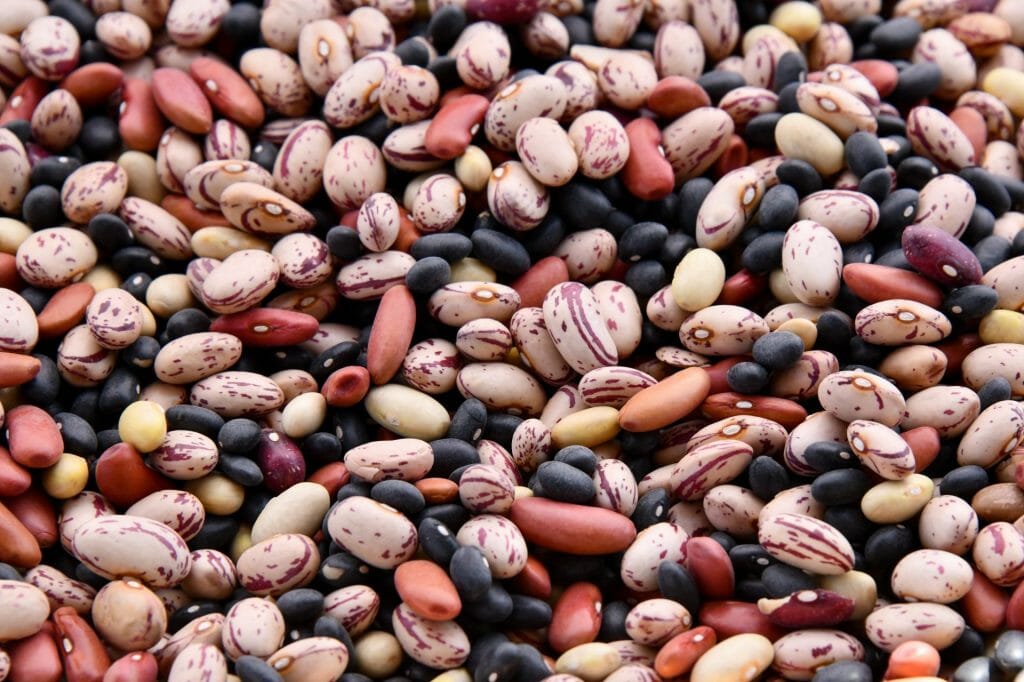
Legumes like beans, lentils, and chickpeas are good sources of protein, fiber, and other nutrients. Due to their high fiber, protein, and antioxidant content, they can help lower the risk of heart disease, type 2 diabetes, and certain types of cancer and improve cognitive health.10 Li H, Li J, Shen Y, Wang J, Zhou D. Legume Consumption and All-Cause and Cardiovascular Disease Mortality. Biomed Res Int. 2017;2017:8450618. PubMed Source 11Jiang YT, Zhang JY, Liu YS, Chang Q, Zhao YH, Wu QJ. Relationship between legume consumption and metabolic syndrome: A systematic review and meta-analysis of observational studies. Nutr Metab Cardiovasc Dis. 2020 Mar 9;30(3):384-392. PubMed Source 12 Chen X, Maguire B, Brodaty H, O’Leary F. Dietary Patterns and Cognitive Health in Older Adults: A Systematic Review. J Alzheimers Dis. 2019;67(2):583-619. PubMed Source 13 Aune D, De Stefani E, Ronco A, Boffetta P, Deneo-Pellegrini H, Acosta G, Mendilaharsu M. Legume intake and the risk of cancer: a multisite case-control study in Uruguay. Cancer Causes Control. 2009 Nov;20(9):1605-15. PubMed Source
It has been observed in various studies that the diet of centenarians is often rich in legumes and legumes are the predominant food of people living in “Blue Zones”, regions of the world where people live unusually long and healthy lives.14Darmadi-Blackberry I, Wahlqvist ML, Kouris-Blazos A, Steen B, Lukito W, Horie Y, Horie K. Legumes: the most important dietary predictor of survival in older people of different ethnicities. Asia Pac J Clin Nutr. 2004;13(2):217-20. PubMed Source
- Healthy: Boiled lentils, chickpeas, black beans
- Unhealthy: Refried beans with added lard, canned baked beans with added sugar, fried beans
Nuts and seeds
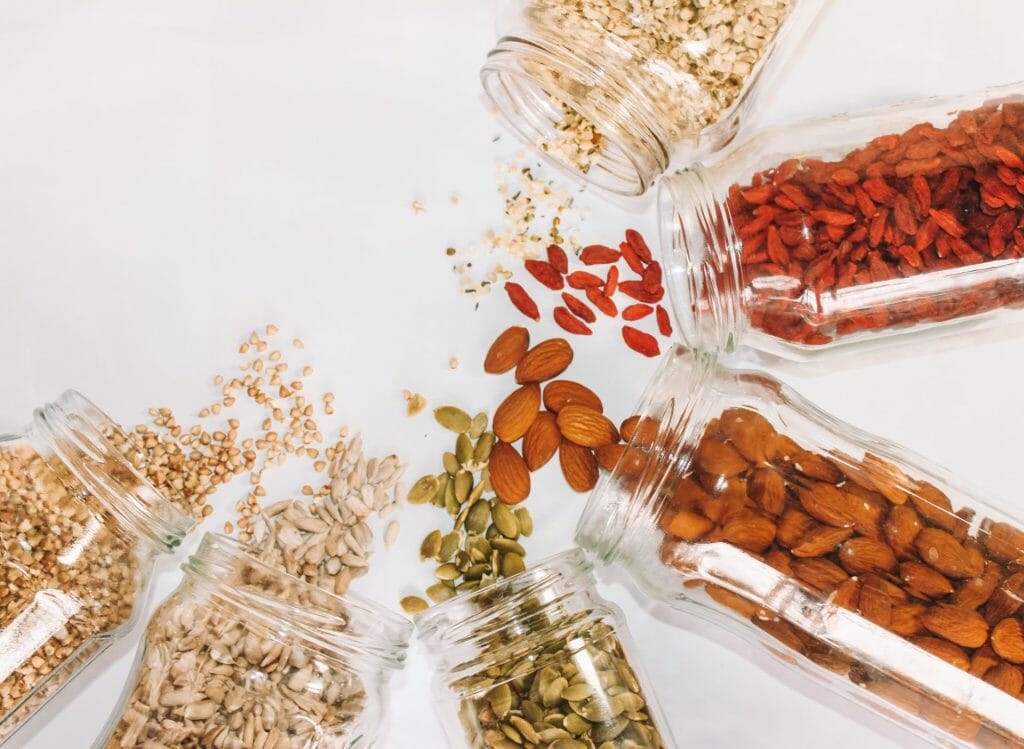
Nuts and seeds are high in healthy fats, protein, fiber, and other nutrients. These nuts and seeds have been linked to a reduced risk of chronic diseases, such as cardiovascular disease, type 2 diabetes, and some types of cancer.15 Balakrishna R, Bjørnerud T, Bemanian M, Aune D, Fadnes LT. Consumption of Nuts and Seeds and Health Outcomes Including Cardiovascular Disease, Diabetes and Metabolic Disease, Cancer, and Mortality: An Umbrella Review. Adv Nutr. 2022 Dec 22;13(6):2136-2148. PubMed Source
Moreover, some studies have also suggested that nuts and seeds may have anti-inflammatory and antioxidant properties, which may contribute to healthy aging.
Almonds, walnuts, chia seeds, and flaxseeds are good choices if one’s goal is a healthy and long life.
- Healthy: Almonds, chia seeds, flaxseeds
- Unhealthy: Salted or sugary nuts, candied nuts, sesame snaps with added sugar
Whole grains
Grains are a relatively recent addition to human diets. Before the advent of agriculture around 10,000 years ago, humans were primarily hunter-gatherers, and their diets consisted of wild plants, animals, and seafood. So the consumption of grains was not widespread until the development of agriculture.
Some researchers argue that the human body is not adapted to consuming large amounts of grains, as they contain nutrients, such as lectins, phytates, and gluten, which can interfere with nutrient absorption and cause digestive issues in some individuals.16 Petroski W, Minich DM. Is There Such a Thing as “Anti-Nutrients”? A Narrative Review of Perceived Problematic Plant Compounds. Nutrients. 2020 Sep 24;12(10):2929. PubMed Source
However, it’s hard to imagine the modern diet without grains. So, if you would like to include them in your diet it’s better to avoid refined grains, such as white bread and pasta. They have been linked to an increased risk of type 2 diabetes and cardiovascular disease.17 Gaesser GA. Perspective: Refined Grains and Health: Genuine Risk, or Guilt by Association? Adv Nutr. 2019 May 1;10(3):361-371. PubMed Scource
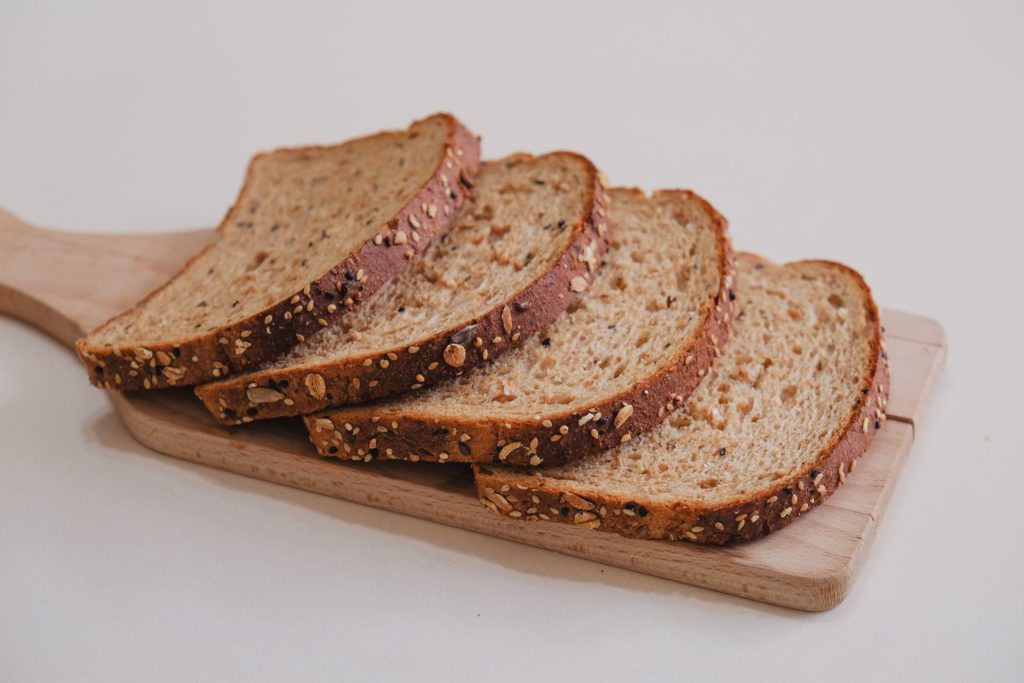
It’s better to give preference to whole grains, like brown rice, quinoa, and oats. They are high in fiber and other nutrients and can help lower the risk of heart disease, diabetes, and other chronic diseases.18 Capurso C. Whole-Grain Intake in the Mediterranean Diet and a Low Protein to Carbohydrates Ratio Can Help to Reduce Mortality from Cardiovascular Disease, Slow Down the Progression of Aging, and to Improve Lifespan: A Review. Nutrients. 2021 Jul 25;13(8):2540. PubMed Source
- Healthy: Brown rice, quinoa, whole-grain bread
- Unhealthy: White bread, white rice, sugary cereals
Fish and seafood
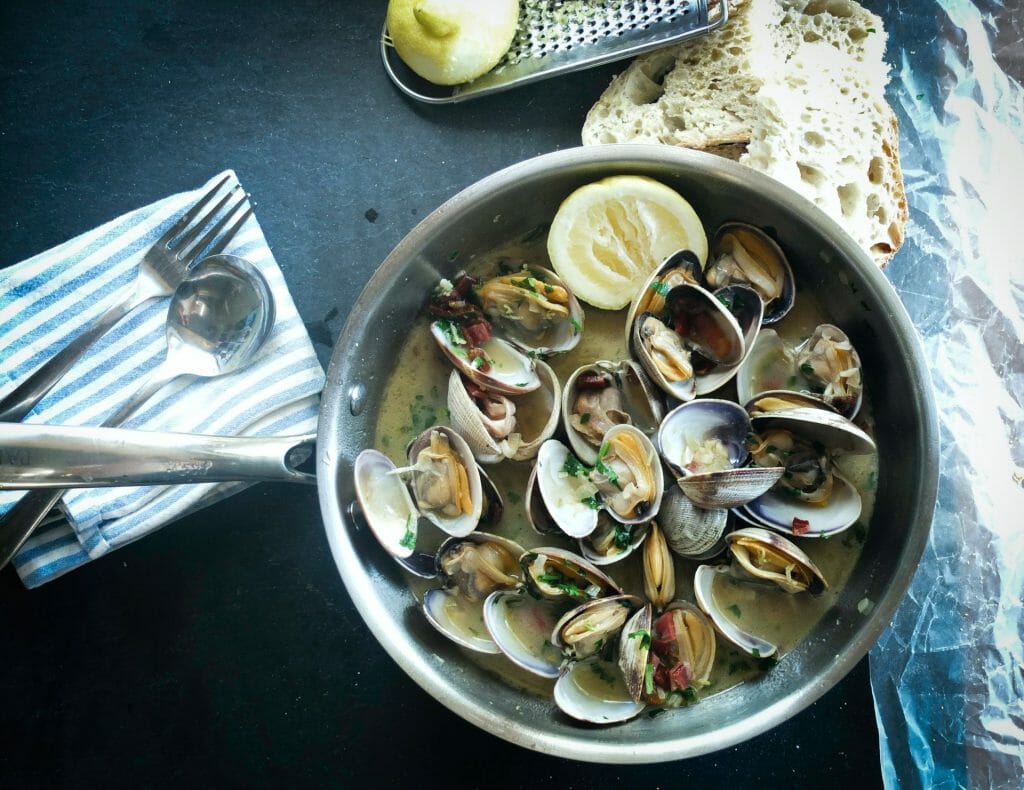
There are a few reasons why fish and seafood are essential for longevity.
Firstly, this food is high in omega-3 fatty acids, which are essential fats that cannot be produced by the body and must be obtained from the diet. Omega-3s reduce inflammation, improve heart health, and reduce the risk of cognitive decline.19 Ruxton C. Health benefits of omega-3 fatty acids. Nurs Stand. 2004 Aug 11-17;18(48):38-42. PubMed Source According to a recent study, higher omega-3 blood levels can add up to almost 5 years of life.20 McBurney MI, Tintle NL, Vasan RS, Sala-Vila A, Harris WS. Using an erythrocyte fatty acid fingerprint to predict risk of all-cause mortality: the Framingham Offspring Cohort. Am J Clin Nutr. 2021 Oct 4;114(4):1447-1454. PubMed Source
Secondly, fish is a good source of high-quality protein, which is important for maintaining muscle mass. Muscle mass negatively correlates with the risk of falling and mortality in older adults.
And finally, seafood and fish are also rich in micronutrients, such as vitamin D, selenium, and iodine, which are important for various bodily functions, including bone health, thyroid function, and immune system function.
Fatty fish like salmon, sardines, and mackerel are particularly beneficial and low in mercury.
- Healthy: Steamed, sauteed, baked salmon, sardines, mackerel
- Unhealthy: Breaded or fried fish, fish sticks, smoked mackerel, canned tuna with added salt
Mushrooms
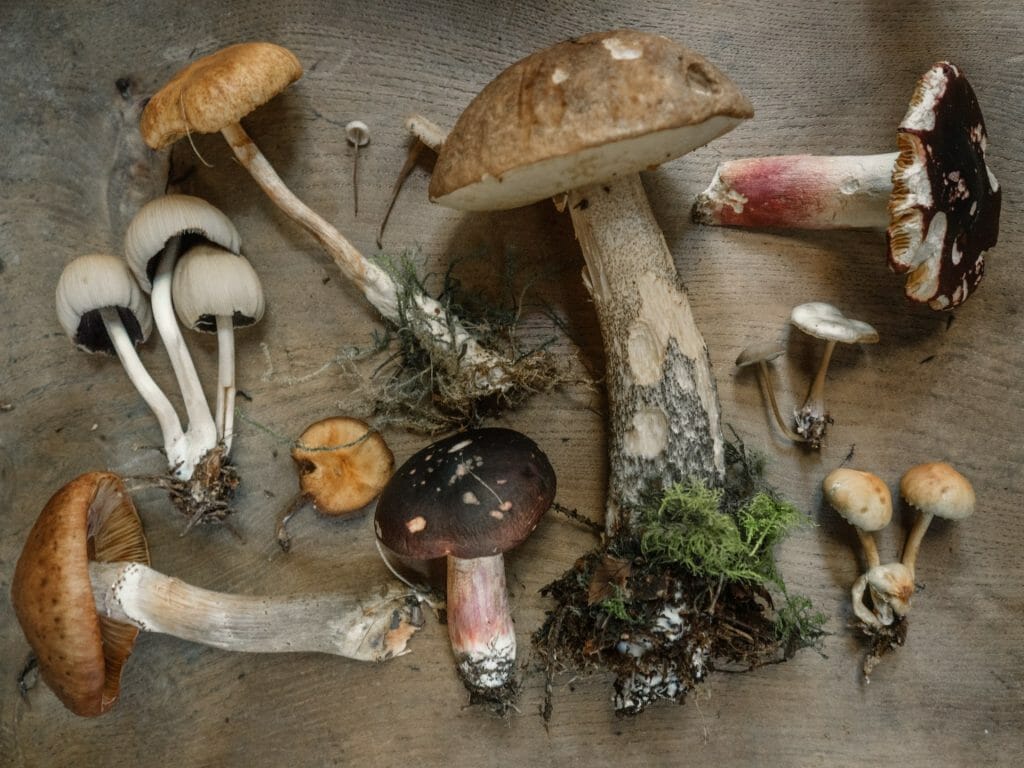
Mushrooms are high in amino acid, called L-ergothioneine, which is a potent antioxidant and anti-inflammatory substance 21 Beelman RB, Kalaras MD, Phillips AT, Richie JP Jr. Is ergothioneine a ‘longevity vitamin’ limited in the American diet? J Nutr Sci. 2020 Nov 11;9:e52. PubMed Source Study in American adults showed that a diet rich in mushrooms has been associated with lower mortality.22DM, Gao X, Muscat J, Al-Shaar L, Chinchilli V, Zhang X, Ssentongo P, Beelman RB, Richie JP Jr. Association of mushroom consumption with all-cause and cause-specific mortality among American adults: prospective cohort study findings from NHANES III. Nutr J. 2021 Apr 22;20(1):38. PubMed Source This is probably due to stabilizing effect of the L-ergothioneine on the genome.
Research has demonstrated that particularly Reishi mushrooms may have a positive impact on longevity. They have shown potential in managing various age-related conditions such as autoimmune diseases, neurodegenerative disorders, diabetes, liver disease, and cancer.
- Healthy: Grilled, sauteed, or roasted mushrooms
- Unhealthy: deep-fried mushrooms, canned mushrooms with salt and preservatives, pre-packaged mushroom risotto, or soup.
Foods to Avoid for Longevity
- Processed and fried foods: Processed and fried foods are often high in unhealthy fats, sugar, and salt. They can increase the risk of heart disease, diabetes, and other chronic diseases.
- Sugary drinks: Sugary drinks like soda, energy drinks, and sports drinks are high in sugar and calories. They can contribute to weight gain and increase the risk of diabetes and other chronic diseases.
- Red and processed meats: Red and processed meats like beef, pork, and sausage are high in saturated fat and can increase the risk of heart disease and certain cancers.
- Refined carbohydrates: Refined carbohydrates like white bread, pasta, and rice are low in fiber and nutrients. They can cause blood sugar spikes and increase the risk of diabetes and other chronic diseases.
- Alcohol: Alcohol can have negative effects on health, especially when consumed in excess. It can increase the risk of liver disease, certain cancers, and other health problems.
Recap and final thoughts
Improving longevity requires a commitment to a healthy diet. From leafy greens to fatty fish, foods for longevity span a wide variety, offering numerous delicious options for those aiming for a healthier lifestyle. By making smart food choices, such as incorporating whole grains, vegetables, fruits, nuts, and seafood into your diet, you can improve your overall health and reduce your risk of chronic diseases. It’s also important to be mindful of how you prepare and consume these foods to ensure that you’re getting the most out of them. To get even more longevity benefits, try to use herbs and spices with proven benefits for health.
References
- 1Fadnes LT, Økland JM, Haaland ØA, Johansson KA. Estimating impact of food choices on life expectancy: A modeling study. PLoS Med. 2022 Feb 8;19(2):e1003889. PubMed Source ↩︎
- 2Higdon JV, Delage B, Williams DE, Dashwood RH. Cruciferous vegetables and human cancer risk: epidemiologic evidence and mechanistic basis. Pharmacol Res. 2007 Mar;55(3):224-36. PubMed Source ↩︎
- 3Meccariello R, D’Angelo S. Impact of Polyphenolic-Food on Longevity: An Elixir of Life. An Overview. Antioxidants (Basel). 2021 Mar 24;10(4):507. PubMed Source ↩︎
- 4Wilson MA, Shukitt-Hale B, Kalt W, Ingram DK, Joseph JA, Wolkow CA. Blueberry polyphenols increase lifespan and thermotolerance in Caenorhabditis elegans. Aging Cell. 2006 Feb;5(1):59-68. PubMed Source ↩︎
- 5Peng C, Zuo Y, Kwan KM, Liang Y, Ma KY, Chan HY, Huang Y, Yu H, Chen ZY. Blueberry extract prolongs lifespan of Drosophila melanogaster. Exp Gerontol. 2012 Feb;47(2):170-8. ↩︎
- 6Kalt W, Cassidy A, Howard LR, Krikorian R, Stull AJ, Tremblay F, Zamora-Ros R. Recent Research on the Health Benefits of Blueberries and Their Anthocyanins. Adv Nutr. 2020 Mar 1;11(2):224-236. PubMed Source ↩︎
- 7Carr AC, Maggini S. Vitamin C and Immune Function. Nutrients. 2017 Nov 3;9(11):1211. PubMed Source ↩︎
- 8Vayndorf EM, Lee SS, Liu RH. Whole apple extracts increase lifespan, healthspan and resistance to stress in Caenorhabditis elegans. J Funct Foods. 2013 Jul;5(3):1236-1243. PubMed Source ↩︎
- 9Zheng J, Heber D, Wang M, Gao C, Heymsfield SB, Martin RJ, Greenway FL, Finley JW, Burton JH, Johnson WD, Enright FM, Keenan MJ, Li Z. Pomegranate juice and extract extended lifespan and reduced intestinal fat deposition in Caenorhabditis elegans. Int J Vitam Nutr Res. 2017 May;87(3-4):149-158. PubMed Source ↩︎
- 10Li H, Li J, Shen Y, Wang J, Zhou D. Legume Consumption and All-Cause and Cardiovascular Disease Mortality. Biomed Res Int. 2017;2017:8450618. PubMed Source ↩︎
- 11Jiang YT, Zhang JY, Liu YS, Chang Q, Zhao YH, Wu QJ. Relationship between legume consumption and metabolic syndrome: A systematic review and meta-analysis of observational studies. Nutr Metab Cardiovasc Dis. 2020 Mar 9;30(3):384-392. PubMed Source ↩︎
- 12Chen X, Maguire B, Brodaty H, O’Leary F. Dietary Patterns and Cognitive Health in Older Adults: A Systematic Review. J Alzheimers Dis. 2019;67(2):583-619. PubMed Source ↩︎
- 13Aune D, De Stefani E, Ronco A, Boffetta P, Deneo-Pellegrini H, Acosta G, Mendilaharsu M. Legume intake and the risk of cancer: a multisite case-control study in Uruguay. Cancer Causes Control. 2009 Nov;20(9):1605-15. PubMed Source ↩︎
- 14Darmadi-Blackberry I, Wahlqvist ML, Kouris-Blazos A, Steen B, Lukito W, Horie Y, Horie K. Legumes: the most important dietary predictor of survival in older people of different ethnicities. Asia Pac J Clin Nutr. 2004;13(2):217-20. PubMed Source ↩︎
- 15Balakrishna R, Bjørnerud T, Bemanian M, Aune D, Fadnes LT. Consumption of Nuts and Seeds and Health Outcomes Including Cardiovascular Disease, Diabetes and Metabolic Disease, Cancer, and Mortality: An Umbrella Review. Adv Nutr. 2022 Dec 22;13(6):2136-2148. PubMed Source ↩︎
- 16Petroski W, Minich DM. Is There Such a Thing as “Anti-Nutrients”? A Narrative Review of Perceived Problematic Plant Compounds. Nutrients. 2020 Sep 24;12(10):2929. PubMed Source ↩︎
- 17Gaesser GA. Perspective: Refined Grains and Health: Genuine Risk, or Guilt by Association? Adv Nutr. 2019 May 1;10(3):361-371. PubMed Scource ↩︎
- 18Capurso C. Whole-Grain Intake in the Mediterranean Diet and a Low Protein to Carbohydrates Ratio Can Help to Reduce Mortality from Cardiovascular Disease, Slow Down the Progression of Aging, and to Improve Lifespan: A Review. Nutrients. 2021 Jul 25;13(8):2540. PubMed Source ↩︎
- 19Ruxton C. Health benefits of omega-3 fatty acids. Nurs Stand. 2004 Aug 11-17;18(48):38-42. PubMed Source ↩︎
- 20McBurney MI, Tintle NL, Vasan RS, Sala-Vila A, Harris WS. Using an erythrocyte fatty acid fingerprint to predict risk of all-cause mortality: the Framingham Offspring Cohort. Am J Clin Nutr. 2021 Oct 4;114(4):1447-1454. PubMed Source ↩︎
- 21Beelman RB, Kalaras MD, Phillips AT, Richie JP Jr. Is ergothioneine a ‘longevity vitamin’ limited in the American diet? J Nutr Sci. 2020 Nov 11;9:e52. PubMed Source ↩︎
- 22DM, Gao X, Muscat J, Al-Shaar L, Chinchilli V, Zhang X, Ssentongo P, Beelman RB, Richie JP Jr. Association of mushroom consumption with all-cause and cause-specific mortality among American adults: prospective cohort study findings from NHANES III. Nutr J. 2021 Apr 22;20(1):38. PubMed Source ↩︎