Grow Younger, Live Longer

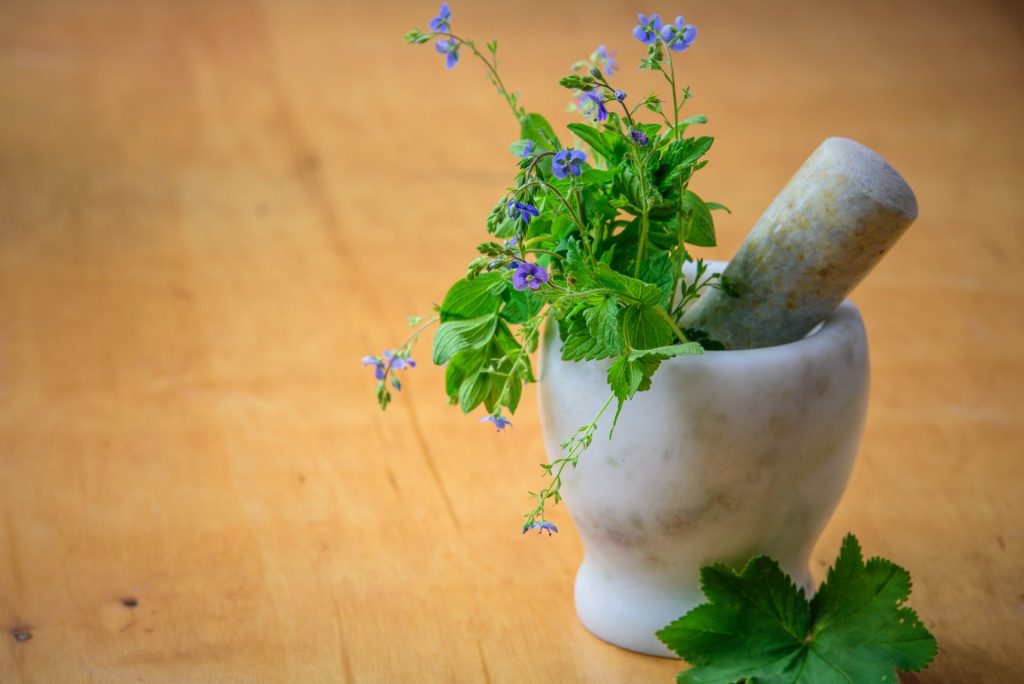
Are you curious about unlocking the secret to a longer, healthier life? You might be surprised to learn that the answer could lie in the power of plants and plant-based medicine, as highlighted by a groundbreaking new study in the field of anti-aging.
Extended Longevity, an established player in anti-aging research, has made a remarkable stride in the journey to reverse aging. The study, spearheaded by Dr. Juergen Winkler at Quantum Functional Medicine in Carlsbad, CA, and overseen by the Institute of Regenerative and Cellular Medicine in Santa Monica, California, under the leadership of Executive Director Dr. Barbara Krutchkoff, PhD, showcases the potential of Extended Longevity’s groundbreaking protocol in slowing down the aging process.
The trial, named “Longevinaut Study #1”, involved a group of 11 men and women aged 55–75. These participants incorporated the Extended Longevity Protocol into their daily routine for up to a year. The protocol involves a regimen of 10 plant-based extract formulations designed to combat the 10 primary causes of aging. The report and the details of the study can be found here.1 Extended Longevity. Source
Every participant in the trial underwent a series of initial tests to measure specific markers – the ‘age’ of their epigenome, the length of their telomeres, and their inflammation level. The epigenome can be likened to a biological clock, providing an estimation of our biological, as opposed to chronological, age. Telomeres, which are protective end caps on our chromosomes, gradually shorten as we age, serving as another important biological age indicator. Lastly, inflammation is a key factor associated with various age-related diseases, making it an important hallmark of aging.
The results are impressive: participants’ biological clock age slowed down by an average of 13 years – a reduction of approximately 22% from their actual age, with some individuals showing a decrease of up to 36%.
Extended Longevity Protocol seems to hold considerable promise in addressing the primary factors that drive aging. The trial’s results support this assertion, suggesting that the protocol could significantly enhance overall health and longevity. However, it’s essential to remember that while the study’s outcomes are promising, further investigation is necessary to fully comprehend the benefits and any potential risks associated with the Extended Longevity Protocol.
We find the results of this study truly fascinating. They reaffirm our long-held belief in the potent power of plant-based medicine in our fight against aging and our quest for robust health. This research underscores the intriguing premise that the secrets to longevity may be intricately woven into the very fabric of nature itself. Harnessing these natural resources could revolutionize our approach to health and well-being, making this a critical turning point in the world of anti-aging therapies.

The Extended Longevity Protocol’s exact composition harnesses the power of many compounds, many of which were the subject of fascinating discoveries in recent years. This notion of using nature aligns perfectly with a recent episode of Dr. Hyman’s podcast featuring Dr. Michael Murray, a highly regarded figure in natural medicine and a passionate advocate of phytochemicals, particularly polyphenols like curcumin, resveratrol, and berberine, among others.2 The Doctor’s Farmacy with Mark Hyman, Episode 723. What Foods Should You Eat And Supplements Should You Take To Age Well? Source
In their engaging dialogue, Dr. Hyman and Dr. Murray delve into the topic of essential supplements that everyone should consider incorporating into their daily routine (like multivitamins, vitamin D), along with the utilization of advanced phytochemicals targeting the root causes of aging and various diseases. This concept is very much in sync with the Extended Longevity Protocol, which harnesses the inherent potency of plant-based extracts to combat aging.
They delve into a rich discussion comparing berberine and metformin, emphasizing the potential advantages of berberine, a natural compound. They explore how natural polyphenols can help address the issue of energy regulation and mitochondrial function in aging, potentially eliminating the need for NAD+ boosters. The conversation is a deep dive into the world of natural compounds and their exciting potential to address various age-related challenges. The dialogue serves as a testament to the impressive power of plant-based medicine in the context of healthy aging.
By blending the benefits of natural substances with scientific knowledge, we believe we’re on the brink of a new era in anti-aging. However, staying grounded and recognizing the need for further research and understanding of this potent protocol is important. Nonetheless, we’re optimistic about the future and look forward to continued progress in the fascinating field of longevity.
In conclusion, this groundbreaking study presents an exciting shift in the approach to aging, highlighting the incredible potential of plant-based medicine in extending our healthspan. The Extended Longevity Protocol, composed of various plant-based extracts, shows us that the answer to aging might lie within nature itself. As the conversation surrounding plant-based medicine continues to evolve, we look forward to more research that uncovers the depth of its benefits. The future of anti-aging seems to be interwoven with the power of plants, marking an era of renewed faith in the healing capabilities of nature.