Grow Younger, Live Longer


In a nutshell
- The sleep environment plays a crucial role in the quest for a restful night’s sleep.
- We look into additional often overlooked secrets for enhancing the sleep environment, such as aromatherapy and the gentle embrace of nature.
- Subtle fragrances of essential oils can promote relaxation, reduce anxiety, and pave the way to blissful slumber.
- Incorporating aspects of nature into your sleeping space, through indoor plants or calming nature sounds, can significantly improve your sleep quality and overall health.
Your sleep environment serves as the foundation for restful nights and rejuvenating sleep. When it comes to creating an ideal sleep environment, the essentials of temperature, light, noise, and comfortable bedding are the foundation of good-quality sleep.
However, if you’re seeking to take your sleep environment to the next level and explore additional ways to enhance it, this article is your go-to resource. Here, we will delve into the often-overlooked aspects of aromatherapy and nature, providing valuable insights and practical tips to optimize your sleep environment further.
Aromatherapy and Sleep
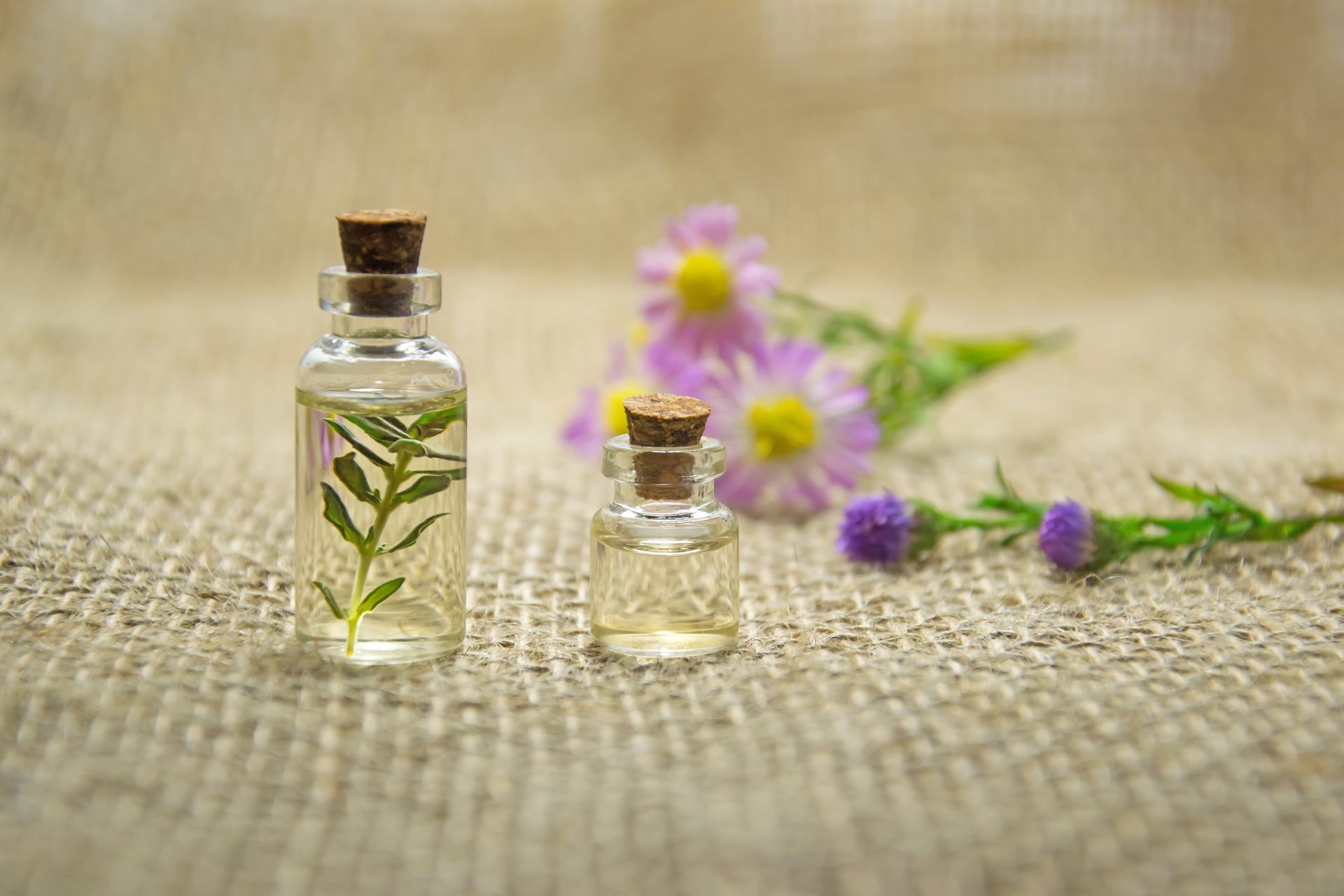
Aromatherapy, the practice of using scents from essential oils, has been recognized for its potential benefits in promoting relaxation and improving sleep quality. Certain fragrances can create a soothing ambiance, helping to prepare the mind and body for a restful slumber.
The Benefits of Aromatherapy for Sleep
Lavender
Lavender essential oil is an oil that is most commonly studied by scientists with regard to sleep. It has widely recognized calming properties on the nervous system.1 Ali, Naser Ali Al-Wabel, Saiba Shams, Aftab Ahamad, Shah Alam Khan, Firoz Anwar, Essential oils used in aromatherapy: A systemic review, Asian Pacific Journal of Tropical Biomedicine, Volume 5, Issue 8, 2015, Pages 601-611, ISSN 2221-1691,https://doi.org/10.1016/j.apjtb.2015.05.007. Source Many studies have demonstrated that lavender inhalation significantly improves sleep parameters, including sleep duration and efficiency.2Lillehei AS, Halcon LL. A systematic review of the effect of inhaled essential oils on sleep. J Altern Complement Med. 2014 Jun;20(6):441-51. doi: 10.1089/acm.2013.0311. Epub 2014 Apr 10. PMID: 24720812. PubMed Source
Aromatherapy with lavender essential oil has been found to increase the levels of melatonin in the blood of older adult men and women.3 Velasco-Rodríguez R, Pérez-Hernández MG, Maturano-Melgoza JA, Hilerio-López ÁG, Monroy-Rojas A, Arana-Gómez B, Vásquez C. The effect of aromatherapy with lavender (Lavandula angustifolia) on serum melatonin levels. Complement Ther Med. 2019 Dec;47:102208. doi: 10.1016/j.ctim.2019.102208. Epub 2019 Oct 5. PMID: 31780012. PubMed Source Melatonin is a hormone that helps regulate the sleep-wake cycle. Therefore, using lavender essential oil in aromatherapy may contribute to better sleep in older adults by promoting melatonin production.
Research suggests that incorporating lavender aromatherapy alongside established sleep hygiene practices can improve sleep quality more than using lavender alone.
Chamomile
Chamomile is another fragrance commonly associated with relaxation. While chamomile tea is widely recognized as the most extensively studied form of chamomile consumption for its sleep-promoting effects, chamomile essential oil can also be a valuable ally in enhancing sleep and reducing anxiety.
Scientific research has explored the benefits of essential oil blends, such as Roman chamomile, lavender, and neroli, specifically formulated for sleep improvement. One study focused on patients staying in an intensive care unit and found that this essential oil blend reduced anxiety and enhanced sleep quality.4 Cho MY, Min ES, Hur MH, Lee MS. Effects of aromatherapy on the anxiety, vital signs, and sleep quality of percutaneous coronary intervention patients in intensive care units. Evid Based Complement Alternat Med. 2013;2013:381381. doi: 10.1155/2013/381381. Epub 2013 Feb 17. PMID: 23476690; PMCID: PMC3588400. PubMed Source
Chamomile essential oil can be a particularly beneficial addition to your sleep-promoting routine, especially if you aim to reduce anxiety. Studies have demonstrated that a blend of chamomile and lavender oils can have a significant impact on anxiety reduction.5 Zamanifar S, Bagheri-Saveh MI, Nezakati A, Mohammadi R, Seidi J. The Effect of Music Therapy and Aromatherapy with Chamomile-Lavender Essential Oil on the Anxiety of Clinical Nurses: A Randomized and Double-Blind Clinical Trial. J Med Life. 2020 Jan-Mar;13(1):87-93. doi: 10.25122/jml-2019-0105. PMID: 32341707; PMCID: PMC7175441. PubMed Source
Cedarwood
Cedarwood essential oil has been recognized for its potential benefits in promoting better sleep. Cedarwood essential oil has sedative properties that can help induce a sense of relaxation and calmness, making it a popular choice for improving sleep quality.6 Kagawa D, Jokura H, Ochiai R, Tokimitsu I, Tsubone H. The sedative effects and mechanism of action of cedrol inhalation with behavioral pharmacological evaluation. Planta Med. 2003 Jul;69(7):637-41. doi: 10.1055/s-2003-41114. PMID: 12898420. PubMed Source 7 Zhang K, Yao L. The anxiolytic effect of Juniperus virginiana L. essential oil and determination of its active constituents. Physiol Behav. 2018 May 15;189:50-58. doi: 10.1016/j.physbeh.2018.01.004. Epub 2018 Jan 8. PMID: 29326032. PubMed Source
One of the main factors that can interfere with sleep is stress. Cedarwood essential oil has been found to have stress-reducing effects, helping to alleviate anxiety and promote a more peaceful state of mind.8 Matsubara E, Tsunetsugu Y, Ohira T, Sugiyama M. Essential Oil of Japanese Cedar (Cryptomeria japonica) Wood Increases Salivary Dehydroepiandrosterone Sulfate Levels after Monotonous Work. Int J Environ Res Public Health. 2017 Jan 21;14(1):97. doi: 10.3390/ijerph14010097. PMID: 28117719; PMCID: PMC5295347. PubMed Source
How to use essential oils to promote sleep?
You can use an essential oil diffuser to disperse the scent of the oil throughout your sleep environment. This allows the aroma to fill the room, creating a calming and relaxing atmosphere.
Alternatively, you can dilute the essential oil of your choice with a carrier oil, such as coconut or jojoba oil, and apply it to your pulse points, such as your wrists or temples, or use it for massage. This method allows for direct inhalation and absorption through the skin.
You can also add a few drops of essential oil to a warm bath before bedtime. The steam will release the fragrance, creating a soothing and aromatic bathing experience that can prepare you for a more peaceful sleep.
Incorporating Nature into Your Sleep Environment
Bringing elements of nature into your sleep environment can profoundly impact your sleep quality and overall well-being. Whether it’s through the presence of indoor plants or the soothing sounds of nature, immersing yourself in natural elements can create a sense of tranquility that promotes better sleep.

The Benefits of Indoor Plants for Sleep
- Improved Air Quality. Indoor plants can help purify the air by removing toxins and releasing oxygen, creating a cleaner and healthier sleep environment.9 Brilli F, Fares S, Ghirardo A, de Visser P, Calatayud V, Muñoz A, Annesi-Maesano I, Sebastiani F, Alivernini A, Varriale V, Menghini F. Plants for Sustainable Improvement of Indoor Air Quality. Trends Plant Sci. 2018 Jun;23(6):507-512. doi: 10.1016/j.tplants.2018.03.004. Epub 2018 Apr 19. PMID: 29681504. PubMed Source This can lead to a better breathing experience during sleep, promoting a more restful night’s rest.
- Enhanced Mood and Relaxation. The presence of greenery indoors has been linked to reduced stress levels and enhanced feelings of calmness and relaxation.10 Lee MS, Lee J, Park BJ, Miyazaki Y. Interaction with indoor plants may reduce psychological and physiological stress by suppressing autonomic nervous system activity in young adults: a randomized crossover study. J Physiol Anthropol. 2015 Apr 28;34(1):21. doi: 10.1186/s40101-015-0060-8. PMID: 25928639; PMCID: PMC4419447. PubMed Source This can contribute to a more peaceful sleep environment, allowing you to unwind and achieve a deeper state of rest.
Nature Sounds for Sleep Enhancement
White Noise
White noise, which includes sounds like rain, ocean waves, or gentle winds, can mask disruptive noises and create a soothing background ambiance. It can help drown out external disturbances and promote a peaceful sleep environment.
Research has shown that white noise can significantly improve sleep for individuals who struggle with sleeping due to high environmental noise levels. Both subjective (self-reported) and objective (measured) improvements in sleep quality have been observed in these individuals when exposed to white noise during sleep.11 Ebben MR, Yan P, Krieger AC. The effects of white noise on sleep and duration in individuals living in a high noise environment in New York City. Sleep Med. 2021 Jul;83:256-259. doi: 10.1016/j.sleep.2021.03.031. Epub 2021 Apr 6. PMID: 34049045. PubMed Source
Nature Sounds
The sounds of nature, such as chirping birds, rustling leaves, or flowing water, can evoke a sense of serenity and connection to the natural world. Yoon H, Baek HJ. External Auditory Stimulation as a Non-Pharmacological Sleep Aid. Sensors (Basel). 2022 Feb 7;22(3):1264. doi: 10.3390/s22031264. PMID: 35162009; PMCID: PMC8838436. PubMed Source[/mfn] These sounds can induce a state of relaxation, helping you drift off to sleep more easily.
Recommendations for Incorporating Nature into Your Sleep Environment
- Indoor Plants. Choose indoor plants known for their air-purifying properties and ability to release oxygen at night, such as snake plants, peace lilies, or aloe vera. Place them strategically in your bedroom to create a calming and refreshing atmosphere.
- Nature Sound Machines. Invest in a nature sound machine or use smartphone apps that offer a variety of nature sounds. Experiment with different sounds to find what resonates with you and promotes better sleep.
- Nature-Inspired Decor. Decorate your sleep environment with elements inspired by nature, such as nature-themed artwork, soft earthy colors, or natural fabrics. This can create a visually soothing space that reflects the calming influence of the outdoors.
Recap and final thoughts
By incorporating these strategies, you can transform your bedroom into a sleep sanctuary that nurtures relaxation and rejuvenation. As you embark on this journey, keep in mind that everyone’s preferences and needs may vary. Experiment with different approaches to find what works best for you.
Remember, creating an optimal sleep environment is just one aspect of a healthy sleep routine. It’s equally important to practice good sleep hygiene, such as maintaining a consistent sleep schedule, limiting exposure to screens before bed, and having a regular wind-down routine.
References
- 1
- 2Lillehei AS, Halcon LL. A systematic review of the effect of inhaled essential oils on sleep. J Altern Complement Med. 2014 Jun;20(6):441-51. doi: 10.1089/acm.2013.0311. Epub 2014 Apr 10. PMID: 24720812. PubMed Source ↩︎
- 3Velasco-Rodríguez R, Pérez-Hernández MG, Maturano-Melgoza JA, Hilerio-López ÁG, Monroy-Rojas A, Arana-Gómez B, Vásquez C. The effect of aromatherapy with lavender (Lavandula angustifolia) on serum melatonin levels. Complement Ther Med. 2019 Dec;47:102208. doi: 10.1016/j.ctim.2019.102208. Epub 2019 Oct 5. PMID: 31780012. PubMed Source ↩︎
- 4Cho MY, Min ES, Hur MH, Lee MS. Effects of aromatherapy on the anxiety, vital signs, and sleep quality of percutaneous coronary intervention patients in intensive care units. Evid Based Complement Alternat Med. 2013;2013:381381. doi: 10.1155/2013/381381. Epub 2013 Feb 17. PMID: 23476690; PMCID: PMC3588400. PubMed Source ↩︎
- 5Zamanifar S, Bagheri-Saveh MI, Nezakati A, Mohammadi R, Seidi J. The Effect of Music Therapy and Aromatherapy with Chamomile-Lavender Essential Oil on the Anxiety of Clinical Nurses: A Randomized and Double-Blind Clinical Trial. J Med Life. 2020 Jan-Mar;13(1):87-93. doi: 10.25122/jml-2019-0105. PMID: 32341707; PMCID: PMC7175441. PubMed Source ↩︎
- 6Kagawa D, Jokura H, Ochiai R, Tokimitsu I, Tsubone H. The sedative effects and mechanism of action of cedrol inhalation with behavioral pharmacological evaluation. Planta Med. 2003 Jul;69(7):637-41. doi: 10.1055/s-2003-41114. PMID: 12898420. PubMed Source ↩︎
- 7Zhang K, Yao L. The anxiolytic effect of Juniperus virginiana L. essential oil and determination of its active constituents. Physiol Behav. 2018 May 15;189:50-58. doi: 10.1016/j.physbeh.2018.01.004. Epub 2018 Jan 8. PMID: 29326032. PubMed Source ↩︎
- 8Matsubara E, Tsunetsugu Y, Ohira T, Sugiyama M. Essential Oil of Japanese Cedar (Cryptomeria japonica) Wood Increases Salivary Dehydroepiandrosterone Sulfate Levels after Monotonous Work. Int J Environ Res Public Health. 2017 Jan 21;14(1):97. doi: 10.3390/ijerph14010097. PMID: 28117719; PMCID: PMC5295347. PubMed Source ↩︎
- 9Brilli F, Fares S, Ghirardo A, de Visser P, Calatayud V, Muñoz A, Annesi-Maesano I, Sebastiani F, Alivernini A, Varriale V, Menghini F. Plants for Sustainable Improvement of Indoor Air Quality. Trends Plant Sci. 2018 Jun;23(6):507-512. doi: 10.1016/j.tplants.2018.03.004. Epub 2018 Apr 19. PMID: 29681504. PubMed Source ↩︎
- 10Lee MS, Lee J, Park BJ, Miyazaki Y. Interaction with indoor plants may reduce psychological and physiological stress by suppressing autonomic nervous system activity in young adults: a randomized crossover study. J Physiol Anthropol. 2015 Apr 28;34(1):21. doi: 10.1186/s40101-015-0060-8. PMID: 25928639; PMCID: PMC4419447. PubMed Source ↩︎
- 11Ebben MR, Yan P, Krieger AC. The effects of white noise on sleep and duration in individuals living in a high noise environment in New York City. Sleep Med. 2021 Jul;83:256-259. doi: 10.1016/j.sleep.2021.03.031. Epub 2021 Apr 6. PMID: 34049045. PubMed Source ↩︎