Grow Younger, Live Longer

In a nutshell
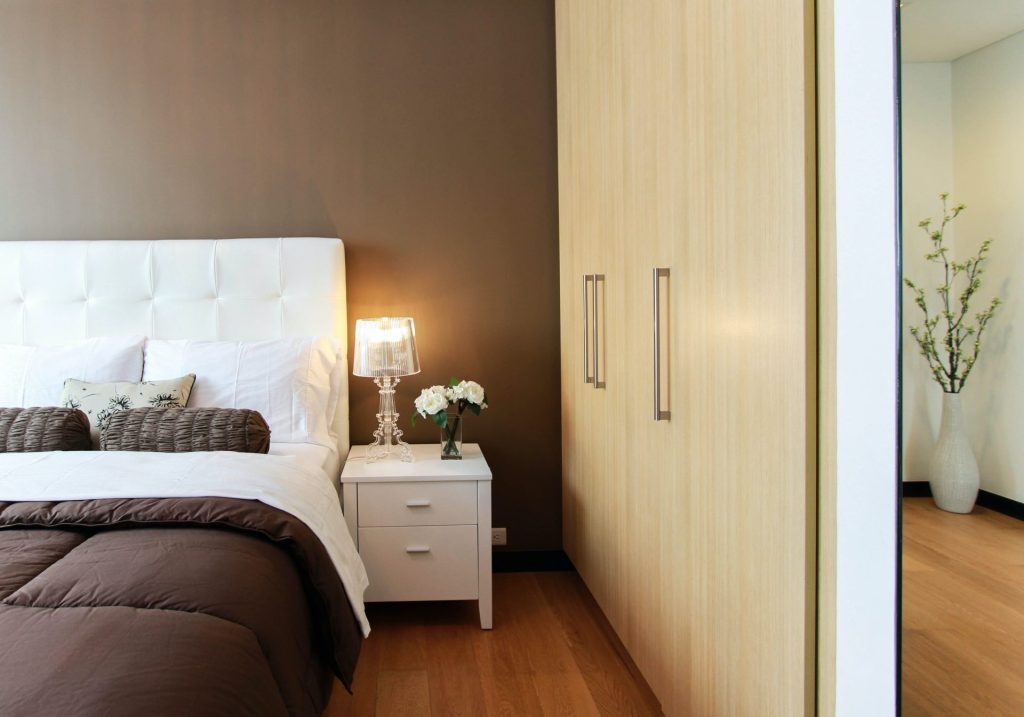
This article delves into the importance of a clean sleep environment, highlighting how cleanliness and organization in your bedroom can significantly reduce stress and anxiety. We also shed light on how maintaining a clean environment can help reduce allergens and improve air quality, further contributing to a better night’s sleep.
Learn practical tips and science-backed insights that can transform your bedroom into a sanctuary for restful, restorative sleep. These often overlooked factors can profoundly impact your sleep quality and overall well-being.
A good night’s sleep can be a panacea for many health-related issues, potentially adding years to your life. From managing stress to ensuring optimal cognitive functioning, sleep indeed holds a key role in our overall health and longevity. A crucial factor that significantly influences our sleep quality is our sleep environment.
A clean and well-organized sleep environment can profoundly impact the quality of your sleep. By creating a space free from clutter and maintaining cleanliness, you can cultivate a sense of calm and tranquility that is conducive to restful sleep. Moreover, a clean environment is essential for reducing allergens and ensuring good air quality, both of which significantly influence sleep quality. Let’s dive deeper into two of these aspects and look at practical tips for improving the sleep environment.
Clean and Clutter-Free Sleep Bedroom: The Ultimate Stress and Anxiety Reducer
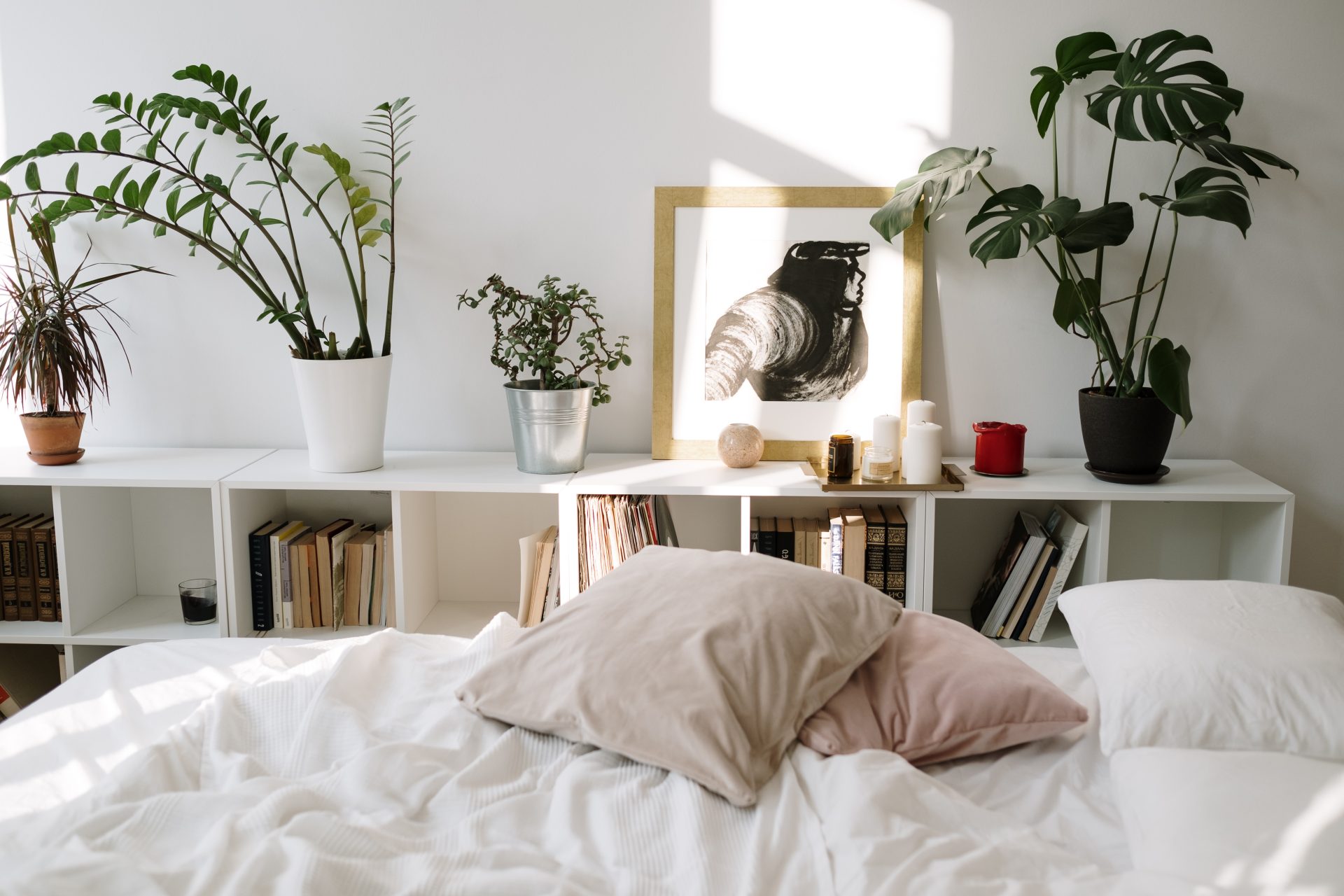
Stress and anxiety are well-known enemies of good sleep. A cluttered, messy bedroom can unconsciously elevate your stress levels, preventing your mind from winding down and preparing for sleep.
The state of our surroundings can significantly impact our mental health. Research shows that clutter in your household can lead to feelings of stress, anxiety, and fatigue. 1Nix CA, Dozier ME. The generational impact of household clutter. Br J Clin Psychol. 2023 Mar;62(1):260-271. doi: 10.1111/bjc.12407. Epub 2022 Dec 7. PMID: 36478581.PubMed Source
Moreover, people with cluttered homes have higher levels of the stress hormone cortisol. 2 Saxbe DE, Repetti R. No place like home: home tours correlate with daily patterns of mood and cortisol. Pers Soc Psychol Bull. 2010 Jan;36(1):71-81. doi: 10.1177/0146167209352864. Epub 2009 Nov 23. PMID: 19934011. PubMed Source Clutter can lead to feelings of chaos, distraction, and even guilt, particularly if you’ve been putting off the task of cleaning.
On the other hand, a clean, organized environment promotes a sense of control and accomplishment, reducing stress and anxiety. It can also enhance your mood and productivity.3 Catherine A. Roster, Joseph R. Ferrari, M. Peter Jurkat, The dark side of home: Assessing possession ‘clutter’ on subjective well-being, Journal of Environmental Psychology, Volume 46, 2016, Pages 32-41, ISSN 0272-4944, https://doi.org/10.1016/j.jenvp.2016.03.003. Source A clutter-free bedroom can promote relaxation and a sense of serenity, helping your mind and body unwind before bed.
Incorporating cleaning routines into your daily schedule can also be beneficial for stress management. The routine can provide a sense of normalcy and control, particularly helpful in times of uncertainty or stress. Moreover, the physical activity involved in cleaning can help reduce stress by boosting the production of endorphins, the body’s natural mood elevators.
So why not embrace a regular decluttering routine into your schedule? To reap the benefits of a clean, clutter-free sleep environment, here are some practical tips:
- Regular Cleaning. Set a regular cleaning schedule for your bedroom. This could be daily light cleaning, like making your bed and picking up any clothes or items on the floor, and a deeper cleaning, like vacuuming and dusting, once a week.
- De-clutter. Keep only essential items in your bedroom. Use storage solutions to keep things organized. Regularly go through your belongings and donate, sell, or throw away anything you no longer need or use.
- Organize. Organize your belongings in a way that makes sense to you. This can make keeping your room tidy and finding what you need easier.
- Create a Relaxing Atmosphere. Consider adding elements to your bedroom that promote relaxation, such as soft lighting, calming colors, and soothing scents. If you’re keen on exploring ways to enrich your bedroom ambiance using the power of nature and essential oils, please see our article on aromatherapy and nature-inspired tips.
Reduced Allergens and Improved Air Quality

A clean sleep environment goes beyond just having a tidy room; it also involves reducing allergens and improving air quality.
Allergens, such as dust mites, pet dander, and mold, can trigger allergies and respiratory issues, resulting in disrupted sleep, and even, sleep apnea.4 Leznoff A, Haight JS, Hoffstein V. Reversible obstructive sleep apnea caused by occupational exposure to guar gum dust. Am Rev Respir Dis. 1986 May;133(5):935-6. PMID: 3706905.PubMed Source 5 Koinis-Mitchell D, Craig T, Esteban CA, Klein RB. Sleep and allergic disease: a summary of the literature and future directions for research. J Allergy Clin Immunol. 2012 Dec;130(6):1275-81. doi: 10.1016/j.jaci.2012.06.026. Epub 2012 Aug 3. PMID: 22867694; PMCID: PMC3576835. PubMed Source
Moreover, poor air quality can exacerbate existing health issues and compromise the overall sleep experience. Here’s an in-depth look at how reduced allergens and improved air quality can contribute to a clean sleep environment and better sleep.
Dust Mites
Dust mites are microscopic creatures that thrive in warm, humid environments and feed on dead skin cells. They are commonly found in mattresses, pillows, carpets, and upholstered furniture.6 Sakaguchi M, Inouye S, Yasueda H, Shida T. Concentration of airborne mite allergens (Der I and Der II) during sleep. Allergy. 1992 Feb;47(1):55-7. doi: 10.1111/j.1398-9995.1992.tb02250.x. PMID: 1590568. PubMed Source Dust mite allergens can trigger symptoms like sneezing, runny nose, and itchy eyes, which can significantly disrupt sleep. To reduce dust mite populations and their allergens, consider the following:
- Encase your mattress, box spring, and pillows in allergen-proof covers.
- Wash your bedding in hot water (at least 130°F or 54°C) every week to kill dust mites.
- Replace carpets with hard-surface flooring or use washable area rugs.
- Regularly clean upholstered furniture and vacuum your floors.
Pet Dander
Pet dander, consisting of microscopic skin particles shed by animals, can cause allergic reactions and disrupt sleep.7 Krahn LE, Tovar MD, Miller B. Are Pets in the Bedroom a Problem? Mayo Clin Proc. 2015 Dec;90(12):1663-5. doi: 10.1016/j.mayocp.2015.08.012. Epub 2015 Oct 23. PMID: 26478564. PubMed Source To reduce pet dander in your sleep environment, follow these steps:
- Keep pets out of the bedroom or designate a separate sleeping area for them.
- Regularly groom and bathe your pets to reduce shedding.
- Use a vacuum cleaner with a HEPA filter to remove pet dander from floors and furniture.
- Wash your pet’s bedding and toys frequently.
Mold
Mold can grow in damp areas, releasing spores that can trigger allergies and respiratory problems. Mold exposure can lead to symptoms like nasal congestion, coughing, and wheezing, which can disrupt sleep.8Wang J, Janson C, Lindberg E, Holm M, Gislason T, Benediktsdóttir B, Johannessen A, Schlünssen V, Jogi R, Franklin KA, Norbäck D. Dampness and mold at home and at work and onset of insomnia symptoms, snoring and excessive daytime sleepiness. Environ Int. 2020 Jun;139:105691. doi: 10.1016/j.envint.2020.105691. Epub 2020 Apr 6. PMID: 32272294. PubMed Source To prevent mold growth and improve your sleep environment, consider the following:
- Maintain a relative humidity level between 30% and 50% in your bedroom.
- Ensure proper ventilation by opening windows or using exhaust fans in bathrooms and kitchens.
- Fix leaks and address water damage promptly.
- Clean surfaces prone to mold growth, such as bathroom tiles, with a mold-killing solution.
Improved air quality
Indoor air pollution can stem from various sources, including tobacco smoke, household cleaning products, and outdoor pollutants. Poor air quality can cause respiratory issues and disrupt sleep. To improve air quality in your sleep environment, try these tips:
- Avoid smoking indoors or in the bedroom.
- Use air purifiers with HEPA filters to remove pollutants and allergens from the air.9Chen CF, Hsu CH, Chang YJ, Lee CH, Lee DL. Efficacy of HEPA Air Cleaner on Improving Indoor Particulate Matter 2.5 Concentration. Int J Environ Res Public Health. 2022 Sep 13;19(18):11517. doi: 10.3390/ijerph191811517. PMID: 36141811; PMCID: PMC9516965. PubMed Source
- Opt for natural, fragrance-free cleaning products and avoid using harsh chemicals.
- Keep indoor plants that can purify the air, such as snake plants, spider plants, and peace lilies.
By reducing allergens and improving air quality, you can create a clean sleep environment that promotes restful, restorative sleep, essential for your overall health and longevity.
Recap and final thoughts
A clean sleep environment plays a vital role in your overall health and longevity. Focusing on cleanliness and organization can reduce stress and anxiety, leading to a more restful, restorative sleep. Moreover, maintaining a clean sleep environment is crucial for reducing allergens and improving air quality. By paying attention to these aspects, you can create a clean sleep environment that promotes quality sleep, an essential factor for overall well-being and longevity. Remember, your bedroom isn’t just a place to sleep; it’s a sanctuary where you rejuvenate your body and mind.
References
- 1Nix CA, Dozier ME. The generational impact of household clutter. Br J Clin Psychol. 2023 Mar;62(1):260-271. doi: 10.1111/bjc.12407. Epub 2022 Dec 7. PMID: 36478581.PubMed Source ↩︎
- 2Saxbe DE, Repetti R. No place like home: home tours correlate with daily patterns of mood and cortisol. Pers Soc Psychol Bull. 2010 Jan;36(1):71-81. doi: 10.1177/0146167209352864. Epub 2009 Nov 23. PMID: 19934011. PubMed Source ↩︎
- 3
- 4Leznoff A, Haight JS, Hoffstein V. Reversible obstructive sleep apnea caused by occupational exposure to guar gum dust. Am Rev Respir Dis. 1986 May;133(5):935-6. PMID: 3706905.PubMed Source ↩︎
- 5Koinis-Mitchell D, Craig T, Esteban CA, Klein RB. Sleep and allergic disease: a summary of the literature and future directions for research. J Allergy Clin Immunol. 2012 Dec;130(6):1275-81. doi: 10.1016/j.jaci.2012.06.026. Epub 2012 Aug 3. PMID: 22867694; PMCID: PMC3576835. PubMed Source ↩︎
- 6Sakaguchi M, Inouye S, Yasueda H, Shida T. Concentration of airborne mite allergens (Der I and Der II) during sleep. Allergy. 1992 Feb;47(1):55-7. doi: 10.1111/j.1398-9995.1992.tb02250.x. PMID: 1590568. PubMed Source ↩︎
- 7Krahn LE, Tovar MD, Miller B. Are Pets in the Bedroom a Problem? Mayo Clin Proc. 2015 Dec;90(12):1663-5. doi: 10.1016/j.mayocp.2015.08.012. Epub 2015 Oct 23. PMID: 26478564. PubMed Source ↩︎
- 8Wang J, Janson C, Lindberg E, Holm M, Gislason T, Benediktsdóttir B, Johannessen A, Schlünssen V, Jogi R, Franklin KA, Norbäck D. Dampness and mold at home and at work and onset of insomnia symptoms, snoring and excessive daytime sleepiness. Environ Int. 2020 Jun;139:105691. doi: 10.1016/j.envint.2020.105691. Epub 2020 Apr 6. PMID: 32272294. PubMed Source ↩︎
- 9Chen CF, Hsu CH, Chang YJ, Lee CH, Lee DL. Efficacy of HEPA Air Cleaner on Improving Indoor Particulate Matter 2.5 Concentration. Int J Environ Res Public Health. 2022 Sep 13;19(18):11517. doi: 10.3390/ijerph191811517. PMID: 36141811; PMCID: PMC9516965. PubMed Source ↩︎