Grow Younger, Live Longer

Exploring the deep-seated relationship between nutrition and cancer risk, this post delves into key takeaways from Dr. Hyman’s podcast episode, shedding light on how our dietary and lifestyle choices can influence our health and potentially modulate our cancer risk.
The nexus of nutrition and cancer is a complex yet critical area of study, with growing research revealing how specific foods and dietary patterns can potentially modulate cancer risk.
The passion Dr. Hyman brings to the intersecting fields of longevity and nutrition is palpable in every episode of his podcast.1The Doctor’s Farmacy with Mark Hyman, M.D. “How Food Can Drive And Slow Cancer Growth” Source This time, he dives headfirst into the ocean of emerging research and scientific insights regarding our dietary patterns and their bearing on cancer risk. His in-depth conversation with three leading figures in functional medicine and wellness offers a multi-faceted perspective on this critical topic. Here are a few salient points they highlight:
The Significance of Soil for Food Quality and Cancer Risk
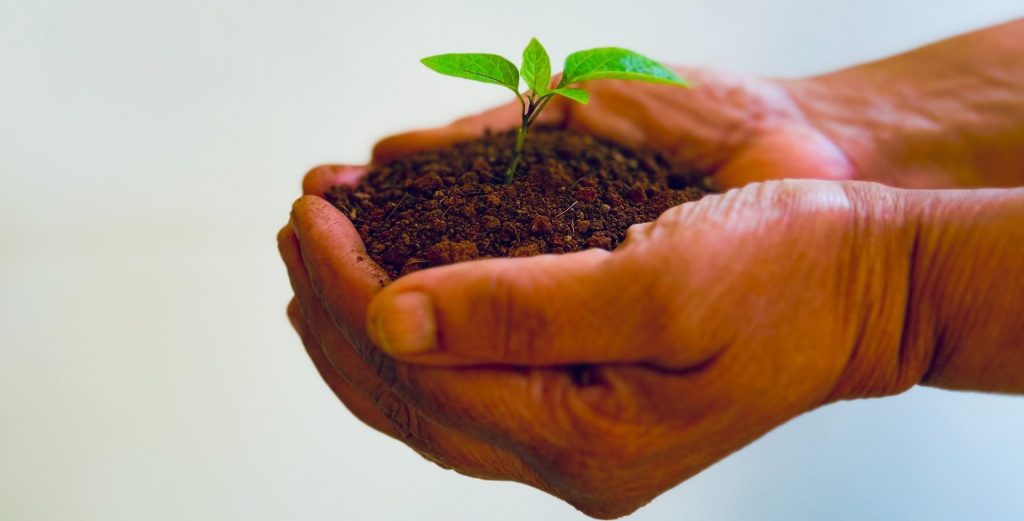
We often overlook the importance of soil in our food production, yet its quality profoundly influences the nutrient density of our food. This episode dives into how soil health directly ties into the nutritional value of what we consume and, in turn, how it can modulate our risk of developing cancer.
Soil health, sometimes referred to as soil quality, is the capacity of soil to function as a vital living ecosystem, sustaining plants, animals, and humans.2 Montgomery DR, Biklé A, Archuleta R, Brown P, Jordan J. Soil health and nutrient density: preliminary comparison of regenerative and conventional farming. PeerJ. 2022 Jan 27;10:e12848. doi: 10.7717/peerj.12848. PMID: 35127297; PMCID: PMC8801175. PubMed Source A healthy soil maintains biodiversity, nutrient balance, and water retention, serving not only agriculture but also playing a critical role in our ecosystem.
Key characteristics of healthy soil include:
- Rich in Organic Matter. Organic matter (also known as humus) is the decayed remains of plant and animal life, which provides essential nutrients for plant growth. It also enhances the soil’s ability to retain water and reduces erosion.
- Biodiversity. Healthy soil teems life, including bacteria, fungi, insects, worms, and other organisms. This biodiversity is crucial for nutrient cycling, decomposition of organic matter, and disease suppression.
- Good Soil Structure. Soil particles can bind together to form aggregates, which create a good soil structure. This allows the soil to hold and transport water and air efficiently, facilitating root growth.
- Balanced Nutrients. Just like us, plants require a balance of nutrients to grow. Healthy soils have a balanced supply of essential nutrients, such as nitrogen, phosphorus, and potassium, and trace elements, which are necessary for plant growth.
- Optimal pH Level. Soil pH affects the availability of nutrients to plants and the activity of soil microbes. Most plants prefer a slightly acidic to neutral pH.
- Absence of Contaminants. Healthy soils should be free from pollutants and contaminants, such as heavy metals or excessive pesticide residues, which can be harmful to plants, soil organisms, and humans. Moreover, pesticides, which are often used to protect crops, often by itself may pose a health risk, and several epidemiological studies, have found links between pesticide exposure and a variety of cancers, including leukemia, non-Hodgkin lymphoma, brain, kidney, breast, prostate, pancreatic, liver, lung, and skin cancers.3 Bassil KL, Vakil C, Sanborn M, Cole DC, Kaur JS, Kerr KJ. Cancer health effects of pesticides: systematic review. Can Fam Physician. 2007 Oct;53(10):1704-11. PMID: 17934034; PMCID: PMC2231435. PubMed Source
Maintaining soil health is crucial for sustainable agriculture, as it directly affects crop growth and yields. Moreover, healthy soils are essential for our overall ecosystem, playing a role in water filtration, carbon storage, and supporting a vast array of life forms.
After all, in nurturing our soil, we’re nurturing ourselves. A sustainable approach to agriculture supports not only the longevity of our planet but also the longevity of its inhabitants.
Intermittent Fasting and Longevity Pathways.

Intermittent fasting has come to the fore recently for its potential health benefits. This fascinating discussion explores the benefits of short-term fasting periods, focusing on how they can activate specific longevity pathways (such as AMPK, and SIRT1) and inhibit others (like mTOR and IIS). This biological process may play a crucial role in cancer prevention and management. If you are interested in learning more, we have a full piece dedicated to longevity pathways and ways of activating them and intermittent fasting.
Sugar as Cancer’s Fuel
Studies conducted on animals have found that diets high in sucrose or fructose (types of sugars) can trigger various biological pathways related to inflammation and the metabolism of sugar and fats. These pathways are often associated with the development and progression of cancer.4 Epner M, Yang P, Wagner RW, Cohen L. Understanding the Link between Sugar and Cancer: An Examination of the Preclinical and Clinical Evidence. Cancers (Basel). 2022 Dec 8;14(24):6042. doi: 10.3390/cancers14246042. PMID: 36551528; PMCID: PMC9775518. PubMed Source
Although we don’t have a vast amount of research conducted on humans yet, some compelling studies have been carried out on humans and primates. These studies have investigated the connection between added sugar in the diet and metabolic syndrome, a cluster of conditions including high blood pressure, high blood sugar, excess body fat around the waist, and abnormal cholesterol levels, that together increase the risk of heart disease, stroke, and type 2 diabetes, as well as potentially cancer.
There’s strong evidence suggesting that metabolic syndrome and added sugar in the diet are causally linked, meaning that consuming excessive sugar could potentially contribute to the development of metabolic syndrome.5 Epner M, Yang P, Wagner RW, Cohen L. Understanding the Link between Sugar and Cancer: An Examination of the Preclinical and Clinical Evidence. Cancers (Basel). 2022 Dec 8;14(24):6042. doi: 10.3390/cancers14246042. PMID: 36551528; PMCID: PMC9775518. PubMed Source Given this, it’s plausible to consider that the high intake of added sugars may indirectly increase cancer risk by contributing to metabolic syndrome.
Fermented Foods, Gut Health, and Cancer Risk

Fermented foods have been a part of human diets for centuries. These foods are rich in probiotics, which are beneficial bacteria that promote gut health. The fermentation process also often leads to the creation of bioactive compounds that can have health-promoting effects.
When it comes to cancer risk, the relationship with fermented food intake is a complex one, with some studies suggesting certain fermented foods might reduce cancer risk. Some research suggests that certain fermented foods could potentially reduce the risk of cancer, primarily through their positive effect on gut health.
A healthy gut microbiota can enhance the body’s natural defenses, reduce inflammation, and help eliminate carcinogens from the body. For example, research suggests that fermented dairy products, like yogurt, can possibly reduce the risk of certain types of cancer, such as colon and bladder cancer.6 Zhang K, Dai H, Liang W, Zhang L, Deng Z. Fermented dairy foods intake and risk of cancer. Int J Cancer. 2019 May 1;144(9):2099-2108. doi: 10.1002/ijc.31959. Epub 2018 Dec 3. PMID: 30374967. PubMed Source
Keto Diet and Cancer Treatment

The ketogenic (or keto) diet is a high-fat, low-carbohydrate diet that has been studied for various health conditions, including cancer. The rationale behind using a ketogenic diet in cancer treatment comes from the observation that cancer cells rely heavily on glucose for energy, and a ketogenic diet drastically reduces glucose availability, potentially “starving” the cancer cells.
Most of the evidence comes from preclinical studies (lab-based or animal studies), and the results from human clinical trials are still limited.7 Weber DD, Aminzadeh-Gohari S, Tulipan J, Catalano L, Feichtinger RG, Kofler B. Ketogenic diet in the treatment of cancer – Where do we stand? Mol Metab. 2020 Mar;33:102-121. doi: 10.1016/j.molmet.2019.06.026. Epub 2019 Jul 27. PMID: 31399389; PMCID: PMC7056920. PubMed Source
However, a good number of lab studies and some human studies suggest that the keto diet could potentially be used alongside standard cancer treatments like chemotherapy and radiation. This is because it may boost the cancer-fighting effects of these treatments, is generally safe and tolerable, and could improve quality of life.8 Talib WH, Mahmod AI, Kamal A, Rashid HM, Alashqar AMD, Khater S, Jamal D, Waly M. Ketogenic Diet in Cancer Prevention and Therapy: Molecular Targets and Therapeutic Opportunities. Curr Issues Mol Biol. 2021 Jul 3;43(2):558-589. doi: 10.3390/cimb43020042. PMID: 34287243; PMCID: PMC8928964.8PubMed Source
Remember, it’s crucial that anyone considering dietary changes, especially cancer patients, should do so under the guidance of a healthcare provider or a dietitian to ensure that the diet is safe, suitable, and well-balanced.
In conclusion, as we continue to uncover the intricate relationship between nutrition and cancer, implementing wholesome dietary habits becomes an integral part of our journey toward longevity and disease prevention. The deep dive into Dr. Hyman’s podcast episode “How Food Can Drive And Slow Cancer Growth” underscores the powerful role nutrition plays in our health and longevity. From the health of our soils to our dietary practices, every choice impacts our overall well-being and potentially our risk of cancer even more than our genetic blueprint.
Resources
- 1
- 2Montgomery DR, Biklé A, Archuleta R, Brown P, Jordan J. Soil health and nutrient density: preliminary comparison of regenerative and conventional farming. PeerJ. 2022 Jan 27;10:e12848. doi: 10.7717/peerj.12848. PMID: 35127297; PMCID: PMC8801175. PubMed Source ↩︎
- 3Bassil KL, Vakil C, Sanborn M, Cole DC, Kaur JS, Kerr KJ. Cancer health effects of pesticides: systematic review. Can Fam Physician. 2007 Oct;53(10):1704-11. PMID: 17934034; PMCID: PMC2231435. PubMed Source ↩︎
- 4Epner M, Yang P, Wagner RW, Cohen L. Understanding the Link between Sugar and Cancer: An Examination of the Preclinical and Clinical Evidence. Cancers (Basel). 2022 Dec 8;14(24):6042. doi: 10.3390/cancers14246042. PMID: 36551528; PMCID: PMC9775518. PubMed Source ↩︎
- 5Epner M, Yang P, Wagner RW, Cohen L. Understanding the Link between Sugar and Cancer: An Examination of the Preclinical and Clinical Evidence. Cancers (Basel). 2022 Dec 8;14(24):6042. doi: 10.3390/cancers14246042. PMID: 36551528; PMCID: PMC9775518. PubMed Source ↩︎
- 6Zhang K, Dai H, Liang W, Zhang L, Deng Z. Fermented dairy foods intake and risk of cancer. Int J Cancer. 2019 May 1;144(9):2099-2108. doi: 10.1002/ijc.31959. Epub 2018 Dec 3. PMID: 30374967. PubMed Source ↩︎
- 7Weber DD, Aminzadeh-Gohari S, Tulipan J, Catalano L, Feichtinger RG, Kofler B. Ketogenic diet in the treatment of cancer – Where do we stand? Mol Metab. 2020 Mar;33:102-121. doi: 10.1016/j.molmet.2019.06.026. Epub 2019 Jul 27. PMID: 31399389; PMCID: PMC7056920. PubMed Source ↩︎
- 8
- 8Talib WH, Mahmod AI, Kamal A, Rashid HM, Alashqar AMD, Khater S, Jamal D, Waly M. Ketogenic Diet in Cancer Prevention and Therapy: Molecular Targets and Therapeutic Opportunities. Curr Issues Mol Biol. 2021 Jul 3;43(2):558-589. doi: 10.3390/cimb43020042. PMID: 34287243; PMCID: PMC8928964.8PubMed Source ↩︎