Grow Younger, Live Longer


In a nutshell
- Resistance training combats age-related muscle loss, helping to maintain functional independence and mobility as you age.
- Intensifying your workouts by adjusting weight or resistance, varying tempo, employing advanced techniques, and using periodization can lead to greater strength and muscle gains.
- Balancing increased training frequency with adequate recovery and a well-rounded fitness routine supports overall health and promotes a longer, more vibrant life.
Progressive Resistance Training
Resistance training, or strength training, has been widely recognized as a key component of a well-rounded exercise program for individuals of all ages.1 Westcott WL. Resistance training is medicine: effects of strength training on health. Curr Sports Med Rep. 2012 Jul-Aug;11(4):209-16. doi: 10.1249/JSR.0b013e31825dabb8. PMID: 22777332. PubMed Source Not only does it help to increase muscle mass and strength, but it also promotes bone health, improves balance and coordination, and supports overall well-being. if you are interested to learn more about why preserving muscle mass is crucial for healthy aging, please see our article on Preserving Muscle Mass for Healthy Aging.
However, to continue reaping these benefits and progressing in your resistance training journey, it’s essential to regularly increase the intensity and frequency of your workouts. This is called progressive resistance training.
Progressive resistance is a key strength training technique where you consistently increase the challenge to your muscles. This is crucial for building muscle and getting stronger because your body adapts to exercise and needs ongoing stimulation to keep growing. Simply repeating the same routine every day might help maintain your current muscle and strength, but it may not lead to further improvements.

Understanding the Principles of Resistance Training
If you’re looking to get started with resistance training, it’s important to understand the principles that govern this type of exercise. Whether you’re a beginner or have some experience with exercise, understanding these principles can help you make the most out of your resistance training routine and achieve your fitness goals.
Overload principle
The overload principle states that to see progress in your resistance training, you must consistently challenge your muscles by subjecting them to more stress than they’re accustomed to.2 Kraemer WJ, Ratamess NA. Fundamentals of resistance training: progression and exercise prescription. Med Sci Sports Exerc. 2004 Apr;36(4):674-88. doi: 10.1249/01.mss.0000121945.36635.61. PMID: 15064596. PubMed Source By doing so, your muscles will adapt and grow stronger, allowing you to perform better in your workouts. Remember, it’s essential to gradually increase the weight or resistance you’re using to ensure continued progress and avoid plateaus.
For example, if you typically perform bicep curls with 10-pound dumbbells for 10 repetitions, you can apply the overload principle by increasing the weight to 12-pound dumbbells or increasing the number of repetitions to 12-15. This additional stress on your muscles will encourage adaptation and growth.
Specificity principle
The specificity principle emphasizes tailoring your resistance training to match your individual goals.3Behm DG, Sale DG. Velocity specificity of resistance training. Sports Med. 1993 Jun;15(6):374-88. doi: 10.2165/00007256-199315060-00003. PMID: 8341872. PubMed Source For example, to improve your overall strength, focus on compound exercises that simultaneously target multiple muscle groups. If your goal is to enhance muscle endurance, consider incorporating higher repetitions and shorter rest periods between sets. You’ll optimize your progress and results by aligning your training with your specific objectives.
Suppose you aim to develop more explosive power for a sport like a basketball. In this case, you should focus on resistance training exercises that target the muscles used in jumping, such as squats, lunges, or box jumps. Concentrating on exercises specific to your goal will improve your performance in the desired activity.
Progressive overload
Progressive overload refers to the gradual increase in training demands, which can be achieved through various methods such as increasing the weight, altering the volume (sets and repetitions), or decreasing rest periods between sets.4Progression Models in Resistance Training for Healthy Adults by Len Kravitz, May 27, 2009 Source By consistently implementing progressive overload in your resistance training, you’ll continue to challenge your muscles and promote growth and improvement.
Let’s say you’ve been doing bench presses with 100 pounds for three sets of 10 repetitions for several weeks. To implement progressive overload, you can:
- Increase the weight. Bench press 105 pounds for three sets of 10 repetitions.
- Increase the volume. Bench press 100 pounds for four sets of 10 repetitions.
- Decrease rest periods. Maintain the same weight and volume, but reduce your rest time between sets from 90 seconds to 60 seconds.
Increasing the Intensity of Your Resistance Training

Adjusting the weight or resistance
One of the most straightforward ways to increase the intensity of your workouts is by adding more weight or resistance to your exercises. Gradually increase the load you’re lifting while maintaining proper form to ensure your muscles continue to be challenged and adapt.
Varying the tempo of your repetitions
Another strategy to intensify your resistance training is by altering the tempo at which you perform your exercises.5Hatfield DL, Kraemer WJ, Spiering BA, Häkkinen K, Volek JS, Shimano T, Spreuwenberg LP, Silvestre R, Vingren JL, Fragala MS, Gómez AL, Fleck SJ, Newton RU, Maresh CM. The impact of velocity of movement on performance factors in resistance exercise. J Strength Cond Res. 2006 Nov;20(4):760-6. doi: 10.1519/R-155552.1. PMID: 17194227. PubMed Source For example, you can try slowing down the eccentric (lowering) portion of a movement, such as taking 3-4 seconds to lower the weight during a bicep curl. This increased time under tension can lead to greater muscle growth and strength gains.
Incorporating advanced techniques
There are several advanced training techniques you can employ to increase the intensity of your workouts, such as drop sets, supersets, and rest-pause training.6 Kraemer WJ, Ratamess NA. Fundamentals of resistance training: progression and exercise prescription. Med Sci Sports Exerc. 2004 Apr;36(4):674-88. doi: 10.1249/01.mss.0000121945.36635.61. PMID: 15064596. PubMed Source
Drop sets involve performing a set to failure, then immediately reducing the weight and continuing to perform repetitions until failure again.
Supersets involve performing two exercises back-to-back with minimal rest, typically targeting opposing muscle groups.
Rest-pause training involves briefly resting (10-15 seconds) between repetitions or mini-sets within a single set.
Periodization
To avoid plateaus and maintain progress, it’s essential to periodically change your resistance training program, a concept known as periodization.7 Fleck, Steven J. Periodized Strength Training: A Critical Review. Journal of Strength and Conditioning Research 13(1):p 82-89, February 1999. Source This can involve altering variables such as exercise selection, intensity, volume, or frequency. By implementing periodization, you can keep your workouts fresh, maintain motivation, and continually challenge your muscles.
To illustrate the concept of periodization, we bring the example of the program divided into three distinct phases, each focusing on a different goal (hypertrophy, strength, and power). The exercises, sets, repetitions, rest periods, and training frequency are adjusted according to the specific objectives of each phase. By following this periodized approach, you can continually challenge your muscles and maximize your gains in various aspects of fitness.
Increasing the Frequency of Your Resistance Training
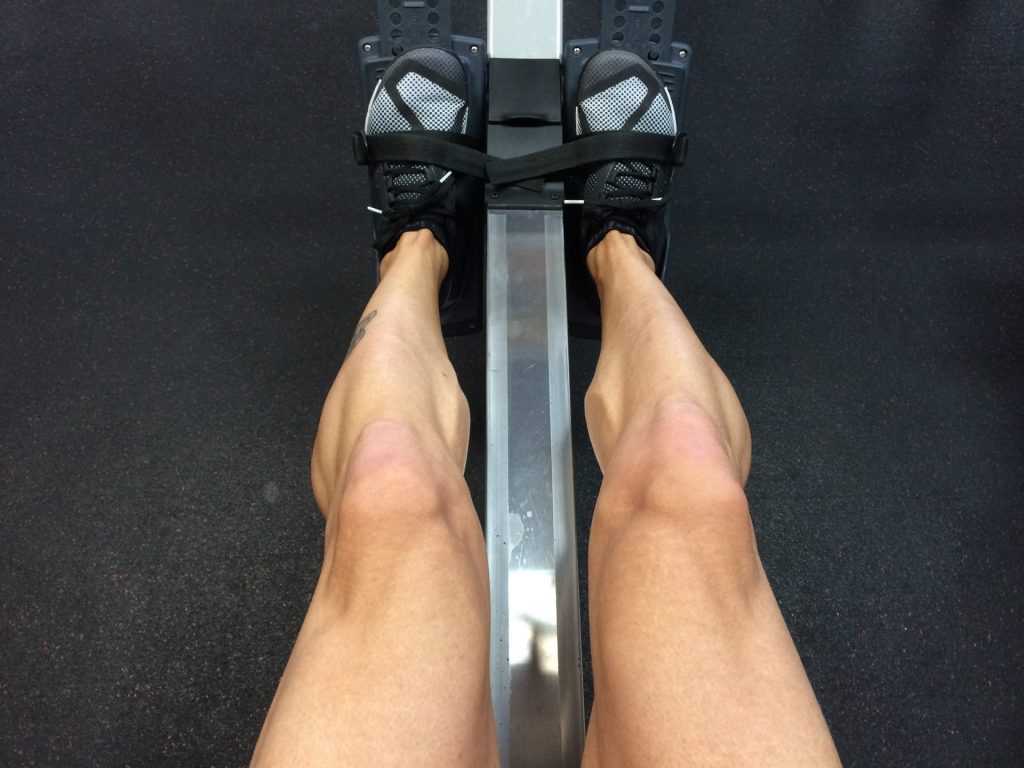
Boosting the frequency of your resistance training sessions can improve muscle strength, endurance, and overall health, ultimately supporting longevity. Before exploring strategies to safely increase your training frequency, it’s crucial to understand the importance of balancing exercise and recovery.
Understanding the Role of Recovery in Training Frequency
While increasing the frequency of your resistance training can lead to greater gains, it’s essential to balance this with adequate recovery time.8 Schoenfeld BJ, Pope ZK, Benik FM, Hester GM, Sellers J, Nooner JL, Schnaiter JA, Bond-Williams KE, Carter AS, Ross CL, Just BL, Henselmans M, Krieger JW. Longer Interset Rest Periods Enhance Muscle Strength and Hypertrophy in Resistance-Trained Men. J Strength Cond Res. 2016 Jul;30(7):1805-12. doi: 10.1519/JSC.0000000000001272. PMID: 26605807. PubMed Source Recovery allows your muscles to repair and grow, preventing overtraining and injuries. Be sure to listen to your body and allow for rest days between intense workouts.
Determining the Optimal Frequency
The ideal training frequency varies depending on factors such as your goals, fitness level, and available time. A minimum of two to three days per week of resistance training is recommended for general fitness and longevity benefits. However, if you aim to maximize muscle growth or strength gains, you may benefit from training each muscle group more frequently, such as three to four days per week.
Strategies to Safely Increase Training Frequency
To safely increase your resistance training frequency, consider the following strategies:
- Gradually increase. Add an extra training day gradually, giving your body time to adapt and recover.9 Schoenfeld BJ, Pope ZK, Benik FM, Hester GM, Sellers J, Nooner JL, Schnaiter JA, Bond-Williams KE, Carter AS, Ross CL, Just BL, Henselmans M, Krieger JW. Longer Interset Rest Periods Enhance Muscle Strength and Hypertrophy in Resistance-Trained Men. J Strength Cond Res. 2016 Jul;30(7):1805-12. doi: 10.1519/JSC.0000000000001272. PMID: 26605807. PubMed Source
- Split routines. Divide your workouts into the upper and lower body or specific muscle groups, allowing you to train more frequently without overloading the same muscles on consecutive days.10 American College of Sports Medicine. American College of Sports Medicine position stand. Progression models in resistance training for healthy adults. Med Sci Sports Exerc. 2009 Mar;41(3):687-708. doi: 10.1249/MSS.0b013e3181915670. PMID: 19204579. PubMed Source
- Active recovery. Incorporate lighter training sessions or low-intensity activities like yoga, stretching, or walking on your rest days to promote recovery and maintain consistency.
Balancing Training Frequency with Other Forms of Exercise
While resistance training is crucial for overall fitness and longevity, it’s important not to neglect other forms of exercise, such as cardiovascular training, stability, and flexibility exercises. Strive for a well-rounded fitness routine that includes a mix of resistance training, aerobic exercise, stability, and flexibility work for optimal health and longevity.
Monitoring progress and making adjustments
A key aspect of successfully increasing the intensity and frequency of your resistance training is monitoring your progress and making adjustments as needed.
Regularly tracking your workouts can help you identify areas for improvement and ensure you’re moving closer to your goals. Here are some strategies for monitoring your progress:
- Keep a workout log. Record the exercises, sets, repetitions, and weights used in each session. This will allow you to track your progress and identify areas for adjustments.
- Assess your performance. Pay attention to how you feel during and after your workouts. Are you experiencing excessive fatigue or soreness? If so, you may need to adjust your intensity or frequency to allow for better recovery.
- Re-evaluate your goals. Periodically reassess your fitness goals and make any necessary adjustments to your training program to align it with your objectives.
Recap and final thoughts
By increasing the intensity and frequency of your resistance training, you not only improve your muscle strength, endurance, and overall fitness but also contribute to your longevity. By understanding the principles of resistance training, employing advanced techniques, and adjusting your training frequency, you can maximize your gains while minimizing the risk of injury or overtraining.
References
- 1Westcott WL. Resistance training is medicine: effects of strength training on health. Curr Sports Med Rep. 2012 Jul-Aug;11(4):209-16. doi: 10.1249/JSR.0b013e31825dabb8. PMID: 22777332. PubMed Source ↩︎
- 2Kraemer WJ, Ratamess NA. Fundamentals of resistance training: progression and exercise prescription. Med Sci Sports Exerc. 2004 Apr;36(4):674-88. doi: 10.1249/01.mss.0000121945.36635.61. PMID: 15064596. PubMed Source ↩︎
- 3Behm DG, Sale DG. Velocity specificity of resistance training. Sports Med. 1993 Jun;15(6):374-88. doi: 10.2165/00007256-199315060-00003. PMID: 8341872. PubMed Source ↩︎
- 4
- 5Hatfield DL, Kraemer WJ, Spiering BA, Häkkinen K, Volek JS, Shimano T, Spreuwenberg LP, Silvestre R, Vingren JL, Fragala MS, Gómez AL, Fleck SJ, Newton RU, Maresh CM. The impact of velocity of movement on performance factors in resistance exercise. J Strength Cond Res. 2006 Nov;20(4):760-6. doi: 10.1519/R-155552.1. PMID: 17194227. PubMed Source ↩︎
- 6Kraemer WJ, Ratamess NA. Fundamentals of resistance training: progression and exercise prescription. Med Sci Sports Exerc. 2004 Apr;36(4):674-88. doi: 10.1249/01.mss.0000121945.36635.61. PMID: 15064596. PubMed Source ↩︎
- 7
- 8Schoenfeld BJ, Pope ZK, Benik FM, Hester GM, Sellers J, Nooner JL, Schnaiter JA, Bond-Williams KE, Carter AS, Ross CL, Just BL, Henselmans M, Krieger JW. Longer Interset Rest Periods Enhance Muscle Strength and Hypertrophy in Resistance-Trained Men. J Strength Cond Res. 2016 Jul;30(7):1805-12. doi: 10.1519/JSC.0000000000001272. PMID: 26605807. PubMed Source ↩︎
- 9Schoenfeld BJ, Pope ZK, Benik FM, Hester GM, Sellers J, Nooner JL, Schnaiter JA, Bond-Williams KE, Carter AS, Ross CL, Just BL, Henselmans M, Krieger JW. Longer Interset Rest Periods Enhance Muscle Strength and Hypertrophy in Resistance-Trained Men. J Strength Cond Res. 2016 Jul;30(7):1805-12. doi: 10.1519/JSC.0000000000001272. PMID: 26605807. PubMed Source ↩︎
- 10American College of Sports Medicine. American College of Sports Medicine position stand. Progression models in resistance training for healthy adults. Med Sci Sports Exerc. 2009 Mar;41(3):687-708. doi: 10.1249/MSS.0b013e3181915670. PMID: 19204579. PubMed Source ↩︎